.jpg)


Clinical and epidemiological characteristics of postdischarge patients with COVID-19 in Tehran, Iran: Protocol for a prospective cohort study (Tele-COVID-19 study)
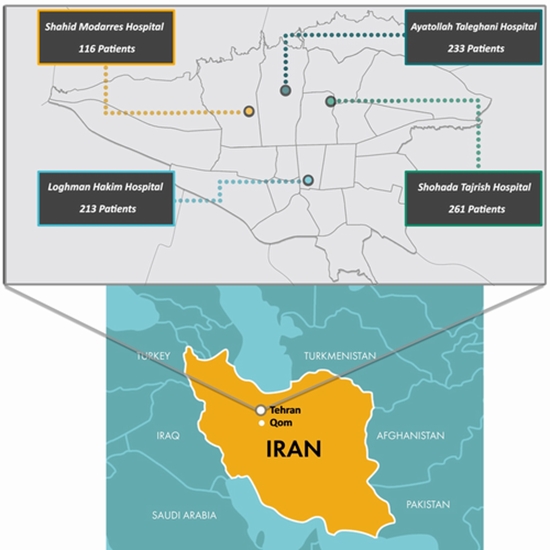
Background: COVID-19 was declared a pandemic on March 11, 2020. Given that the severe shortage of hospital beds has led to early discharge and insufficient patient education on home care routines and isolation protocols, the close follow-up of patients and their immediate relatives is an integral part of transitioning from hospital care to home care for patients with COVID-19.
Objective: We designed the Tele-COVID-19 prospective cohort to follow-up with COVID-19 patients in Tehran, Iran, and improve health care delivery and the recording of postdischarge patients' clinical profiles.
Methods: All adult patients who were admitted to the COVID-19 wards of teaching hospitals in Tehran, Iran were eligible to participate in this cohort study. At baseline, patients were recruited from 4 major hospitals from March 9, 2020 to May 20, 2020. Telephone follow-ups, which were led by volunteer medical students, were conducted on postdischarge days 1-3, 5, 7, 10, and 14. We collected data on a range of sociodemographic, epidemiological, and clinical characteristics by using a standard questionnaire.
Results: Of the 950 patients with confirmed COVID-19 who were approached, 823 (response rate: 86.6%) consented and were enrolled into the cohort. Of the 823 participants, 449 (54.5%) were male. The mean age of participants was 50.1 years (SD 12.6 years). During the initial data collection phase, more than 5000 phone calls were made and over 577 reports of critical patients who were in need of urgent medical attention were recorded.
Conclusions: The Tele-COVID-19 cohort will provide patients with sufficient education on home care and isolation, and medical advice on care and the proper use of drugs. In addition, by preventing unnecessary hospital returns and providing information on household SARS-CoV-2 transmission as early as possible, this cohort will help with effective disease management in resource-limited settings


