Advanced Diagnostic & Interventional Radiology Research Center | Association of Fatty Liver Disease with Increased carotid

Advanced Diagnostic & Interventional Radiology Research Center | Association of Fatty Liver Disease with Increased carotid
| Dec 12 2025
logo

Advanced Diagnostic & Interventional Radiology Research Center

COVID-19 pandemic 

During the COVID-19 pandemic, the Radiology Research Center at Tehran University of Medical Sciences continued its research activities despite the challenges posed by the increased demand for CT scans of COVID-19 patients and the necessity of adhering to strict health protocols. This center played a crucial role in improving medical imaging techniques, optimizing diagnostic protocols, and advancing technologies related to CT scan image analysis.

Faculty members, researchers, and staff remained committed to ensuring the safety and well-being of healthcare professionals and patients while actively engaging in imaging data analysis, developing artificial intelligence algorithms for faster disease detection, publishing scientific articles, and presenting their findings at international conferences. These efforts aimed to enhance diagnostic accuracy, improve treatment processes, and alleviate pressure on healthcare systems.


Key achievements of the Radiology Research Center during the COVID-19 pandemic include:


✔️ Development and optimization of lung imaging protocols for faster and more accurate COVID-19 diagnosis
✔️ Implementation of artificial intelligence technologies for automated CT scan analysis and reduced diagnosis time
✔️ Publication of high-impact research articles on innovative imaging methods for COVID-19 patients
✔️ Participation in national and international projects focused on COVID-19 diagnosis and patient management

The center remains dedicated to advancing research in medical imaging and continues to contribute as a leading scientific institution in improving the quality of diagnostic and therapeutic services.


Some of the center's significant achievements during the pandemic include:


  • Release Date : May 5 2024 - 12:53
  • : 14
  • Study time : 1 minute(s)

Association of Non-Alcoholic Fatty Liver Disease with Increased Carotid Intima-Media Thickness Considering Other Cardiovascular Risk Factors
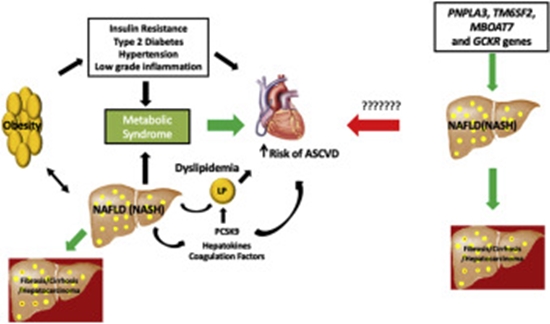
 Non-Alcoholic Fatty Liver Disease with Increased Carotid Intima-Media Thickness  {faces}

Background:

 Non-alcoholic fatty liver disease (NAFLD) is the most common liver disease (6% - 35%) and is associated with cardiovascular risk factors and metabolic syndromes (age, diabetes, hyperlipidemia, hypertension and smoking). Hereby, we evaluated the association of increased carotid intima-media thickness (IMT) with NAFLD considering other cardiovascular risk factors to see if NAFLD is independently associated with increased carotid IMT.

Patients and Methods:

 Totally 300 patients [150 NAFLD and 150 normal] who were referred to four academic referral hospitals were enrolled. Patients with a history of alcohol use, hepatitis, HIV, chemotherapy and other organ failures were excluded. A single radiologist performed abdominal sonographies [3 - 5 MHz probe] and carotid sonography [7.5 MHz probe] (measured the posterior wall of both common carotids and calculated the mean value). NAFLD was diagnosed based on sonographic findings in the absence of acute or chronic liver and kidney diseases and malignancies.

Results:

 The mean age was 51.2 ± 14.8 [20 - 97] and 184 [61.3%] were male. Mean IMT was greater in patients with diabetes, hypertension, hyperlipidemia and NAFLD [all Ps < 0.001] and these variables with age were statistically significant in univariate models for estimating IMT. Among NAFLD patients, 38 [25.3%] had increased IMT [unilateral or bilateral; considering 0.8 as cutoff point] while this frequency was 8 [%5.3] among normal subjects [P < 0.001, odds ratio = 6, 95% confidence interval (CI) = 2.7 - 13.4]. In multivariate regression models [IMT as dependent variable], NAFLD, age and hyperlipoproteinemia (HLP) were independent significant variables in linear model [R2 = 0.41] and NAFLD showed highest odds ratio [16.4] among significant variables [age, body mass index (BMI), NAFLD and HLP] in the logistic model.

Conclusion:

 Increase carotid IMT is highly associated with NAFLD independent of other cardiovascular risk factors and should be considered in these patients.
  • Article_DOI : doi.org/10.5812/iranjradiol.14260
  • Author(s) : maryam mohammadzadeh,ali mohammadzadeh
  • News Group : research,research article
  • News Code : 278316
مدیر سایت
Author:

مدیر سایت

Enter your desired term to search
Theme settings