Advanced Diagnostic & Interventional Radiology Research Center | Biofluid Biomarkers in Traumatic Brain Injury: A Systematic Scoping Review
Advanced Diagnostic & Interventional Radiology Research Center | Biofluid Biomarkers in Traumatic Brain Injury: A Systematic Scoping Review
| Jan 2 2026
logo

Advanced Diagnostic & Interventional Radiology Research Center

COVID-19 pandemic 

During the COVID-19 pandemic, the Radiology Research Center at Tehran University of Medical Sciences continued its research activities despite the challenges posed by the increased demand for CT scans of COVID-19 patients and the necessity of adhering to strict health protocols. This center played a crucial role in improving medical imaging techniques, optimizing diagnostic protocols, and advancing technologies related to CT scan image analysis.

Faculty members, researchers, and staff remained committed to ensuring the safety and well-being of healthcare professionals and patients while actively engaging in imaging data analysis, developing artificial intelligence algorithms for faster disease detection, publishing scientific articles, and presenting their findings at international conferences. These efforts aimed to enhance diagnostic accuracy, improve treatment processes, and alleviate pressure on healthcare systems.


Key achievements of the Radiology Research Center during the COVID-19 pandemic include:


✔️ Development and optimization of lung imaging protocols for faster and more accurate COVID-19 diagnosis
✔️ Implementation of artificial intelligence technologies for automated CT scan analysis and reduced diagnosis time
✔️ Publication of high-impact research articles on innovative imaging methods for COVID-19 patients
✔️ Participation in national and international projects focused on COVID-19 diagnosis and patient management

The center remains dedicated to advancing research in medical imaging and continues to contribute as a leading scientific institution in improving the quality of diagnostic and therapeutic services.


Some of the center's significant achievements during the pandemic include:


  • Release Date : Jul 10 2024 - 11:14
  • : 114
  • Study time : 1 minute(s)

Biofluid Biomarkers in Traumatic Brain Injury: A Systematic Scoping Review

Traumatic Brain Injury {faces}

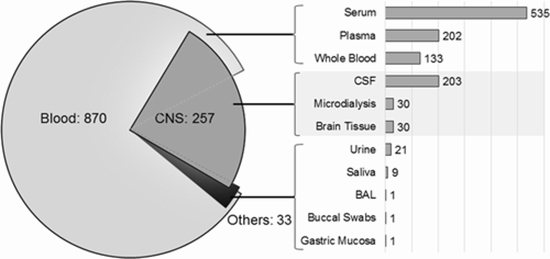
Emerging evidence suggests that biofluid-based biomarkers have diagnostic and prognostic potential in traumatic brain injuries (TBI). However, owing to the lack of a conceptual framework or comprehensive review, it is difficult to visualize the breadth of materials that might be available. We conducted a systematic scoping review to map and categorize the evidence regarding biofluid-based biochemical markers of TBI. A comprehensive search was undertaken in January 2019. Of 25,354 records identified through the literature search, 1036 original human studies were included. Five hundred forty biofluid biomarkers were extracted from included studies and classified into 19 distinct categories. Three categories of biomarkers including cytokines, coagulation tests, and nerve tissue proteins were investigated more than others and assessed in almost half of the studies (560, 515, and 502 from 1036 studies, respectively). S100 beta as the most common biomarker for TBI was tested in 21.2% of studies (220 articles). Cortisol was the only biomarker measured in blood, cerebrospinal fluid, urine, and saliva. The most common sampling time was at admission and within 24 h of injury. The included studies focused mainly on biomarkers from blood and central nervous system sources, the adult population, and severe and blunt injuries. The most common outcome measures used in studies were changes in biomarker concentration level, Glasgow coma scale, Glasgow outcome scale, brain computed tomography scan, and mortality rate. Biofluid biomarkers could be clinically helpful in the diagnosis and prognosis of TBI. However, there was no single definitive biomarker with accurate characteristics. The present categorization would be a road map to investigate the biomarkers of the brain injury cascade separately and detect the most representative biomarker of each category. Also, this comprehensive categorization could provide a guiding framework to design combined panels of multiple biomarkers

  • Article_DOI : 10.1007/s12028-020-01173-1
  • Author(s) : mohammad-mehdi mehrabinejad,maryam edalatfar,seyed mohammad piri,monireh-sadat mousavi
  • News Group : research,research article
  • News Code : 277987
مدیر سایت
Author:

مدیر سایت

Enter your desired term to search
Theme settings