Advanced Diagnostic & Interventional Radiology Research Center | Clinical Course, Imaging Features, and Outcomes of COVID-19

Advanced Diagnostic & Interventional Radiology Research Center | Clinical Course, Imaging Features, and Outcomes of COVID-19
| Dec 13 2025
logo

Advanced Diagnostic & Interventional Radiology Research Center

COVID-19 pandemic 

During the COVID-19 pandemic, the Radiology Research Center at Tehran University of Medical Sciences continued its research activities despite the challenges posed by the increased demand for CT scans of COVID-19 patients and the necessity of adhering to strict health protocols. This center played a crucial role in improving medical imaging techniques, optimizing diagnostic protocols, and advancing technologies related to CT scan image analysis.

Faculty members, researchers, and staff remained committed to ensuring the safety and well-being of healthcare professionals and patients while actively engaging in imaging data analysis, developing artificial intelligence algorithms for faster disease detection, publishing scientific articles, and presenting their findings at international conferences. These efforts aimed to enhance diagnostic accuracy, improve treatment processes, and alleviate pressure on healthcare systems.


Key achievements of the Radiology Research Center during the COVID-19 pandemic include:


✔️ Development and optimization of lung imaging protocols for faster and more accurate COVID-19 diagnosis
✔️ Implementation of artificial intelligence technologies for automated CT scan analysis and reduced diagnosis time
✔️ Publication of high-impact research articles on innovative imaging methods for COVID-19 patients
✔️ Participation in national and international projects focused on COVID-19 diagnosis and patient management

The center remains dedicated to advancing research in medical imaging and continues to contribute as a leading scientific institution in improving the quality of diagnostic and therapeutic services.


Some of the center's significant achievements during the pandemic include:


  • Release Date : Jun 22 2024 - 06:41
  • : 22
  • Study time : 1 minute(s)

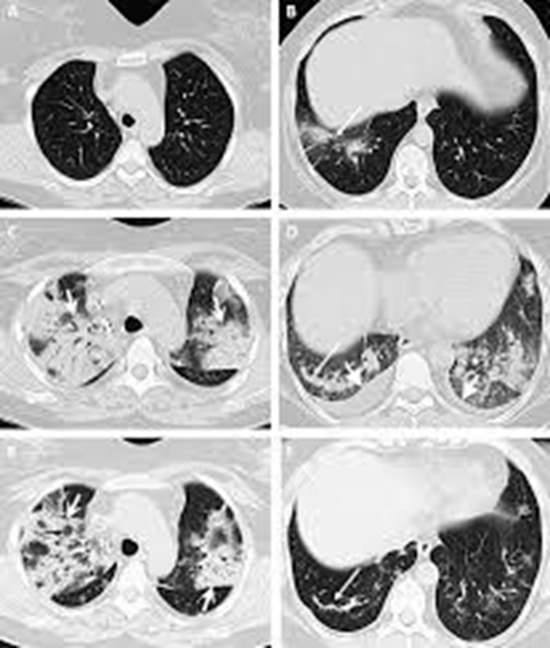
Clinical Course, Imaging Features, and Outcomes of COVID-19 in Kidney Transplant Recipients
 Outcomes of COVID-19 in Kidney {faces}

Coronavirus disease 2019 (COVID-19) is a novel and highly contagious disease caused by Severe acute respiratory syndrome coronavirus 2 (SARS-CoV-2). Older adults and patients with comorbidities and immunosuppressive conditions may experience severe signs and symptoms that can lead to death. This case series assesses the clinical course, imaging features, and outcomes for 12 patients with COVID-19 and a history of kidney transplantation. Patients were evaluated for symptoms, laboratory data, imaging findings, and outcomes from February 2020 to April 2020. Fever, cough, and dyspnea were the most common clinical symptoms, noted in 75% (nine/12), 75% (nine/12), and 41.7% (five/12) of the patients, respectively. Most of the patients had a normal white blood cell count, while 33.3% (four/12) had leukopenia and 8.3% (one/12) had leukocytosis. A combination of consolidation and ground glass opacity was the most predominant (75%) pattern of lung involvement on computed tomography (CT). Eight patients died of severe COVID-19 pneumonia and acute respiratory distress syndrome and four were discharged. All recovered cases had a unilateral peripheral pattern of involvement limited to only one zone on initial chest CT. It seems that CT imaging has an important role in predicting COVID-19 outcomes for solid organ transplant recipients. Future studies with long-term follow up and more cases are needed to elucidate COVID-19 diagnosis, outcome, and management strategies for these patients

  • Article_DOI : 10.1016/j.eururo.2020.04.064
  • Author(s) : alireza abrishami
  • News Group : research,research article,covid 19
  • News Code : 278281
مدیر سایت
Author:

مدیر سایت

Enter your desired term to search
Theme settings