Advanced Diagnostic & Interventional Radiology Research Center | Computed Tomography Fluoroscopy Guided Percutaneous Transhepatic Bleomycin/Ethiodized Oil Sclerotherapy for Symptomatic Giant Hepatic Hemangioma
Advanced Diagnostic & Interventional Radiology Research Center | Computed Tomography Fluoroscopy Guided Percutaneous Transhepatic Bleomycin/Ethiodized Oil Sclerotherapy for Symptomatic Giant Hepatic Hemangioma
| Dec 10 2025
logo

Advanced Diagnostic & Interventional Radiology Research Center

COVID-19 pandemic 

During the COVID-19 pandemic, the Radiology Research Center at Tehran University of Medical Sciences continued its research activities despite the challenges posed by the increased demand for CT scans of COVID-19 patients and the necessity of adhering to strict health protocols. This center played a crucial role in improving medical imaging techniques, optimizing diagnostic protocols, and advancing technologies related to CT scan image analysis.

Faculty members, researchers, and staff remained committed to ensuring the safety and well-being of healthcare professionals and patients while actively engaging in imaging data analysis, developing artificial intelligence algorithms for faster disease detection, publishing scientific articles, and presenting their findings at international conferences. These efforts aimed to enhance diagnostic accuracy, improve treatment processes, and alleviate pressure on healthcare systems.


Key achievements of the Radiology Research Center during the COVID-19 pandemic include:


✔️ Development and optimization of lung imaging protocols for faster and more accurate COVID-19 diagnosis
✔️ Implementation of artificial intelligence technologies for automated CT scan analysis and reduced diagnosis time
✔️ Publication of high-impact research articles on innovative imaging methods for COVID-19 patients
✔️ Participation in national and international projects focused on COVID-19 diagnosis and patient management

The center remains dedicated to advancing research in medical imaging and continues to contribute as a leading scientific institution in improving the quality of diagnostic and therapeutic services.


Some of the center's significant achievements during the pandemic include:


  • Release Date : Jul 29 2024 - 09:59
  • : 97
  • Study time : 1 minute(s)

Computed Tomography Fluoroscopy Guided Percutaneous Transhepatic Bleomycin/Ethiodized Oil Sclerotherapy for Symptomatic Giant Hepatic Hemangioma

 {faces}

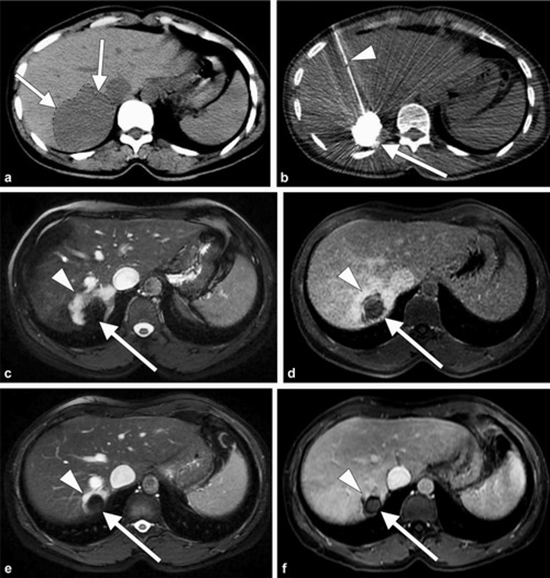
Purpose: To determine the safety and efficacy of computed tomography (CT) fluoroscopy-guided percutaneous transhepatic sclerotherapy with a bleomycin/ethiodized oil emulsion for symptomatic giant hepatic hemangiomas.

Materials and methods: The procedure was performed on 22 patients with symptomatic giant hepatic hemangiomas in an outpatient setting between 2018 and 2020. All patients were followed clinically and underwent contrast-enhanced magnetic resonance imaging after 1 month and again at a mean time of 15 months ± 2. Adverse events were classified according to the Common Terminology Criteria for Adverse Events (CTCAE, v5.0), in which a severe adverse event was defined as an adverse event with a grade of ≥3. The desired radiologic response (volume and index size) and improvement of pain intensity (visual analog scale [VAS]) and other symptoms were recorded as outcomes.

Results: Overall, patients showed a 36.4% ± 8.6 reduction in volume and a 14% ± 1.6 reduction in index size after 1 month, with P values of .002 and .001, respectively. The final follow-up volume and index size were 194.7 cm3 ± 25.8 and 77 mm ± 36, respectively. Moreover, a 53.0% ± 7 reduction in volume and 22% ± 3.7 reduction in index size during the final imaging were reported, with the P values of .001 and .001, respectively. Significant reductions in the mean pain intensity (90% of patients with lower VAS scores after intervention) and symptoms were reported. Four patients were classified as clinically unsuccessful, and were recommended further procedures for residual pain.

Conclusions: CT fluoroscopy-guided transhepatic sclerotherapy is an effective, safe, and minimally invasive method to manage giant hepatic hemangiomas in an outpatient setting.

  • Article_DOI :
  • Author(s) :
  • News Group : research,articles,research article
  • News Code : 277906
مدیر سایت
Author:

مدیر سایت

0 Comments for this article

comment

Post your comment:

متن درون تصویر را در جعبه متن زیر وارد نمائید *
Enter your desired term to search
Theme settings