Advanced Diagnostic & Interventional Radiology Research Center |  An fmri Study of Aspects in Persian Classical Music

Advanced Diagnostic & Interventional Radiology Research Center |  An fmri Study of Aspects in Persian Classical Music
| Jan 2 2026
logo

Advanced Diagnostic & Interventional Radiology Research Center

COVID-19 pandemic 

During the COVID-19 pandemic, the Radiology Research Center at Tehran University of Medical Sciences continued its research activities despite the challenges posed by the increased demand for CT scans of COVID-19 patients and the necessity of adhering to strict health protocols. This center played a crucial role in improving medical imaging techniques, optimizing diagnostic protocols, and advancing technologies related to CT scan image analysis.

Faculty members, researchers, and staff remained committed to ensuring the safety and well-being of healthcare professionals and patients while actively engaging in imaging data analysis, developing artificial intelligence algorithms for faster disease detection, publishing scientific articles, and presenting their findings at international conferences. These efforts aimed to enhance diagnostic accuracy, improve treatment processes, and alleviate pressure on healthcare systems.


Key achievements of the Radiology Research Center during the COVID-19 pandemic include:


✔️ Development and optimization of lung imaging protocols for faster and more accurate COVID-19 diagnosis
✔️ Implementation of artificial intelligence technologies for automated CT scan analysis and reduced diagnosis time
✔️ Publication of high-impact research articles on innovative imaging methods for COVID-19 patients
✔️ Participation in national and international projects focused on COVID-19 diagnosis and patient management

The center remains dedicated to advancing research in medical imaging and continues to contribute as a leading scientific institution in improving the quality of diagnostic and therapeutic services.


Some of the center's significant achievements during the pandemic include:


  • Release Date : Mar 3 2024 - 08:21
  • : 20
  • Study time : 1 minute(s)

The Neural Representation of Rhythm, Non-Rhythm and Melody Aspects in Persian Classical Music: An fmri Study

The aim of this study is to evaluate the functional activity of brain during the perception of rhythm and melody in Persian classical music using fMRI
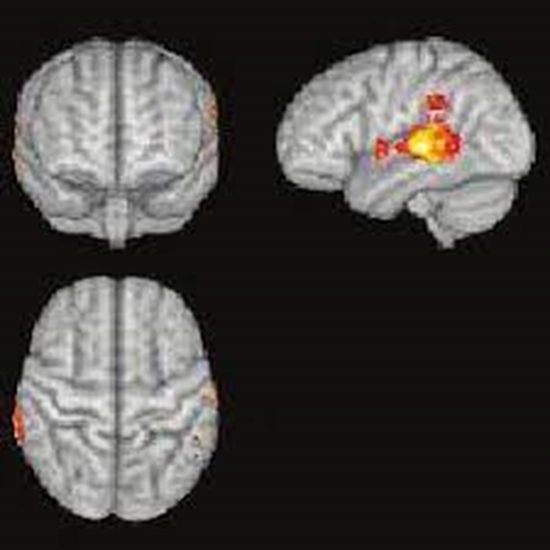
Neural Representation of Rhythm, Non-Rhythm and Melody Aspects in Persian Classical Music {faces}

Purpose: The perception of music relies on many culture-specific factors; nevertheless this is processed by physiological and functional attributes of the brain system. The aim of this study is to evaluate the functional activity of brain during the perception of rhythm and melody in Persian classical music using fMRI. Methods: The test consists of two groups of Persian Modal music scales, frequently called Dastgāh. Mahour and Homayoun, in two parts of non-rhythmic and rhythmic pieces presented on 19 right-handed non-musicians.
Results: The results of this study revealed the brain activities for each of rhythmic and non-rhythmic versions of Mahour and Homayoun Dastgah. For non-rhythmic Mahour, the activation was found in right lingual gyrus, right precuneous cortex, left Inferior frontal gyrus, and left temporal lobe; whereas for rhythmic Mahour, the areas contain left supplementary motor cortex, left superior frontal gyrus, right and left precentral and postcentral gyrus, left supramarginal gyrus, and right temporal pole. The activated regions for non-rhythmic Homayoun include right and left subcallosal cortex, left medial frontal cortex, left anterior cingulate gyrus, and left frontal pole. In contrast, for rhythmic Homayoun, alternative areas including left precentral gyrus, left precuneous cortex, left anterior supramarginal, and left postcentral gyrus were revealed.
Conclusion: rhythmic pieces were shown to activate the areas mostly involved in movement while non-rhythmic pieces related to emotional and memory regions. Although, these results are not consistent totally with the previous findings on western music, they are similar to  the outcomes performed on eastern cultural subjects.


  • Article_DOI :
  • Author(s) : mohammad ali oghabian,farzaneh pouladi
  • News Group : research,research article
  • News Code : 278478
مدیر سایت
Author:

مدیر سایت

Enter your desired term to search
Theme settings