Advanced Diagnostic & Interventional Radiology Research Center | Phase Sensitive Inversion Recovery and Conventional mri

Advanced Diagnostic & Interventional Radiology Research Center | Phase Sensitive Inversion Recovery and Conventional mri
| Dec 12 2025
logo

Advanced Diagnostic & Interventional Radiology Research Center

COVID-19 pandemic 

During the COVID-19 pandemic, the Radiology Research Center at Tehran University of Medical Sciences continued its research activities despite the challenges posed by the increased demand for CT scans of COVID-19 patients and the necessity of adhering to strict health protocols. This center played a crucial role in improving medical imaging techniques, optimizing diagnostic protocols, and advancing technologies related to CT scan image analysis.

Faculty members, researchers, and staff remained committed to ensuring the safety and well-being of healthcare professionals and patients while actively engaging in imaging data analysis, developing artificial intelligence algorithms for faster disease detection, publishing scientific articles, and presenting their findings at international conferences. These efforts aimed to enhance diagnostic accuracy, improve treatment processes, and alleviate pressure on healthcare systems.


Key achievements of the Radiology Research Center during the COVID-19 pandemic include:


✔️ Development and optimization of lung imaging protocols for faster and more accurate COVID-19 diagnosis
✔️ Implementation of artificial intelligence technologies for automated CT scan analysis and reduced diagnosis time
✔️ Publication of high-impact research articles on innovative imaging methods for COVID-19 patients
✔️ Participation in national and international projects focused on COVID-19 diagnosis and patient management

The center remains dedicated to advancing research in medical imaging and continues to contribute as a leading scientific institution in improving the quality of diagnostic and therapeutic services.


Some of the center's significant achievements during the pandemic include:


  • Release Date : Jul 13 2024 - 08:15
  • : 75
  • Study time : 1 minute(s)

Comparison of Phase Sensitive Inversion Recovery and Conventional Magnetic Resonance Imaging for Detection of Cortical Plaques in MS Patients
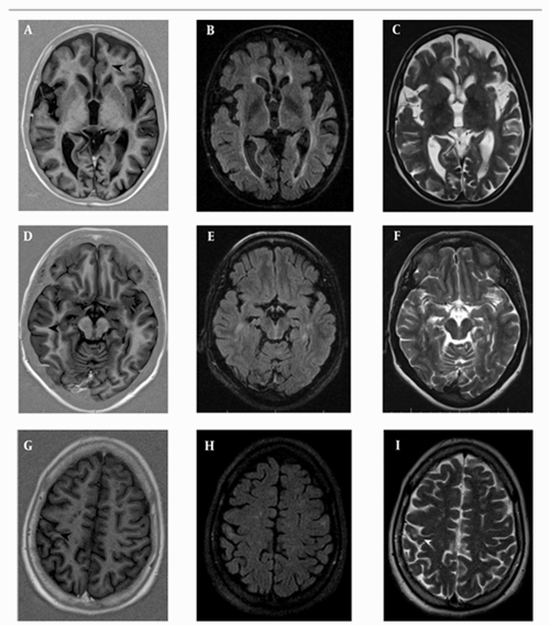
Phase Sensitive Inversion Recovery and Conventional Magnetic Resonance Imaging {faces}

Introduction and importance

Aggressive angiomyxoma is characterized as a non-capsulated soft mass with the ability to progress to surrounding tissues but without metastasis to distant tissues. Slowing tumor extension leading delayed tumor diagnosis, expression of different types of hormonal receptors, therapeutic ineffectiveness of noninvasive treatment approaches and misdiagnosis have remained as the major challenges for managing this tumor.

Case presentation

Herein, we described a case of aggressive angiomyxoma located in the posterior of the uterus and vagina that as successfully managed surgically to remove tumor mass followed by gonadotropin-releasing hormone (GnRH) agonist to prevent tumor recurrence.

Clinical discussion

Surgical resection is the treatment of choice in aggressive angiomyxoma with complete success rate, however despite such successfulness, about two-thirds of patients experienced postoperative recurrence rate that could be prevented by hormone-based therapy especially GnRH agonist.

Conclusion

Aggressive angiomyxoma is a rare tumor with locally invasive behavior. As misdiagnosis is common imaging like MRI with DWI should be considered. The best treatment is surgical resection by experienced surgeons in tertiary referral hospitals. Even with complete resection, the recurrence rate is high. So adjuvant medical treatment seems to be necessary

  • Article_DOI : 10.5812/iranjradiol.112129
  • Author(s) : hassan hashemi,maryam mohammadzadeh
  • News Group : research,research article
  • News Code : 277983
مدیر سایت
Author:

مدیر سایت

Enter your desired term to search
Theme settings