Advanced Diagnostic & Interventional Radiology Research Center | Agreement of Manual Exam (POP-Q) with Pelvic MR

Advanced Diagnostic & Interventional Radiology Research Center | Agreement of Manual Exam (POP-Q) with Pelvic MR
| Dec 15 2025
logo

Advanced Diagnostic & Interventional Radiology Research Center

COVID-19 pandemic 

During the COVID-19 pandemic, the Radiology Research Center at Tehran University of Medical Sciences continued its research activities despite the challenges posed by the increased demand for CT scans of COVID-19 patients and the necessity of adhering to strict health protocols. This center played a crucial role in improving medical imaging techniques, optimizing diagnostic protocols, and advancing technologies related to CT scan image analysis.

Faculty members, researchers, and staff remained committed to ensuring the safety and well-being of healthcare professionals and patients while actively engaging in imaging data analysis, developing artificial intelligence algorithms for faster disease detection, publishing scientific articles, and presenting their findings at international conferences. These efforts aimed to enhance diagnostic accuracy, improve treatment processes, and alleviate pressure on healthcare systems.


Key achievements of the Radiology Research Center during the COVID-19 pandemic include:


✔️ Development and optimization of lung imaging protocols for faster and more accurate COVID-19 diagnosis
✔️ Implementation of artificial intelligence technologies for automated CT scan analysis and reduced diagnosis time
✔️ Publication of high-impact research articles on innovative imaging methods for COVID-19 patients
✔️ Participation in national and international projects focused on COVID-19 diagnosis and patient management

The center remains dedicated to advancing research in medical imaging and continues to contribute as a leading scientific institution in improving the quality of diagnostic and therapeutic services.


Some of the center's significant achievements during the pandemic include:


  • Release Date : Apr 2 2024 - 11:59
  • : 10
  • Study time : 1 minute(s)

Agreement of Manual Exam (POP-Q) with Pelvic MRI in Assessment of Anterior Pelvic Organ Prolapse
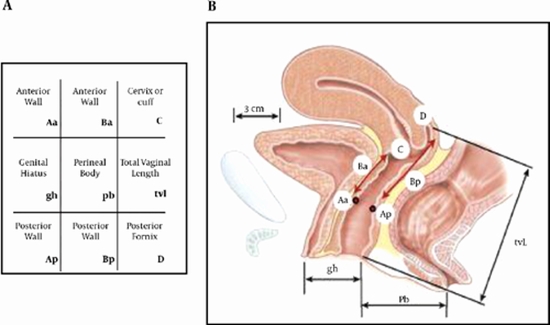
 Manual Exam (POP-Q) with Pelvic MRI in Assessment of Anterior Pelvic Organ {faces}

Background:

Pelvic floor dysfunction (PFD) refers to a wide range of issues that occur when muscles of the pelvic floor are weak, tight, or there is an impairment of the sacroiliac joint, lower back, coccyx, or hip joints. PFD and pelvic organ prolapse (POP) affect about 50% of women past middle age. Symptoms include pelvic pain, pressure, dyspareunia, incontinence, incomplete emptying, and gross organ protrusion. Nowadays, there are novel diagnostic tools and therapies proposed for pelvic floor weakness and organ prolapse. Pelvic organ prolapse quantification system (POP-Q) examination and complementary magnetic resonance imaging (MRI) are two methods of diagnosis.

Objectives:

The goal of our study was to assess the agreement between POP-Q examination and MRI in detecting anterior pelvic prolapses. In addition, we evaluated the additive role of MRI adjunct to POP-Q examination in detecting anterior pelvic organ prolapse.

Patients and Methods:

An experimental study was carried out on 61 patients having clinical manifestations suggesting pelvic floor weakness. The medical history and physical examination were obtained from all patients. POP-Q examination and dynamic MR imaging was performed. POP-Q results were compared with dynamic MRI findings thereafter.

Results:

Considering pubococcygeal line (PCL) and H line as reference lines, comparison of MRI and POP-Q findings for detecting bladder neck and urethra prolapses revealed a moderate to good agreement (49% - 80%) rate between MRI and POP-Q examination. This corresponds to a weak to moderate agreement between these two methods.

Conclusion:

Agreement of MRI and POP-Q is moderate to good for detecting anterior pelvic organs prolapses. MRI could be regarded as a complementary method to POP-Q examination. A combination diagnostic approach, including MRI and POP-Q, for high stage pelvic prolapse is highly recommended

  • Article_DOI : doi.org/10.5812/iranjradiol.38542
  • Author(s) : arvin arian,zinat ghanbari
  • News Group : research,research article
  • News Code : 278411
مدیر سایت
Author:

مدیر سایت

Enter your desired term to search
Theme settings