Advanced Diagnostic & Interventional Radiology Research Center | Arterial Embolization for the Internal Hemorrhoids Management

Advanced Diagnostic & Interventional Radiology Research Center | Arterial Embolization for the Internal Hemorrhoids Management
| May 6 2026
logo

Advanced Diagnostic & Interventional Radiology Research Center

COVID-19 pandemic 

During the COVID-19 pandemic, the Radiology Research Center at Tehran University of Medical Sciences continued its research activities despite the challenges posed by the increased demand for CT scans of COVID-19 patients and the necessity of adhering to strict health protocols. This center played a crucial role in improving medical imaging techniques, optimizing diagnostic protocols, and advancing technologies related to CT scan image analysis.

Faculty members, researchers, and staff remained committed to ensuring the safety and well-being of healthcare professionals and patients while actively engaging in imaging data analysis, developing artificial intelligence algorithms for faster disease detection, publishing scientific articles, and presenting their findings at international conferences. These efforts aimed to enhance diagnostic accuracy, improve treatment processes, and alleviate pressure on healthcare systems.


Key achievements of the Radiology Research Center during the COVID-19 pandemic include:


✔️ Development and optimization of lung imaging protocols for faster and more accurate COVID-19 diagnosis
✔️ Implementation of artificial intelligence technologies for automated CT scan analysis and reduced diagnosis time
✔️ Publication of high-impact research articles on innovative imaging methods for COVID-19 patients
✔️ Participation in national and international projects focused on COVID-19 diagnosis and patient management

The center remains dedicated to advancing research in medical imaging and continues to contribute as a leading scientific institution in improving the quality of diagnostic and therapeutic services.


Some of the center's significant achievements during the pandemic include:


  • Release Date : Feb 25 2026 - 10:41
  • : 4
  • Study time : 1 minute(s)

Arterial Embolization for the Internal Hemorrhoids Management A Systematic Review
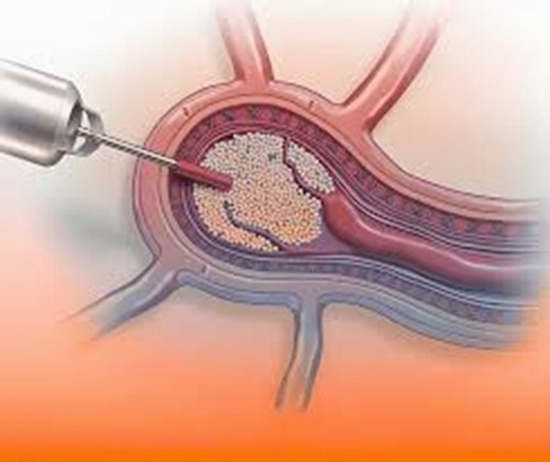
Arterial Embolization for the Internal Hemorrhoids Management {faces}

Background and aims: Hemorrhoids are common vascular structures that can become symptomatic when prolapsed, representing the most prevalent benign anorectal condition worldwide. Despite affecting up to 11% of the population with symptoms including pain, bleeding, and discomfort, hemorrhoids remain underdiagnosed and often inappropriately managed. This systematic review aimed to evaluate the efficacy, clinical outcomes, and morbidity of endovascular artery embolization in hemorrhoids.

Method: Up to August 2022, PubMed, Scopus, Web of Science, and Embase were searched comprehensively. All studies had eligible criteria included, except review articles, articles published in a language other than English, and case reports or series of cases. Two independent reviewers performed a literature review and data extraction. Preferred Reporting Items for Systematic Reviews and Meta-Analysis (PRISMA) 2020 checklist was used for quality assessment.

Results: The systematic review included 15 studies. The patient's age ranged from 40.5 ± 9.51 to 72.2 ± 10.9. Eleven studies mentioned the sample size as gender-specific, with 57.89% (n = 187/323) male patients. The embolic site involved in embolization, according to the frequency, was 424 patients for the superior rectal artery in all studies, and coils and micro coils were utilized as Embolic material in most cases. No major complication or death was noted in 12 studies. The most frequent complications were postoperative pain and tenesmus, bleeding, ulceration and fibrotic scars, and low-grade fever. In 11.79% (n = 27/229) of patients re-embolization and after-treatment surgery were due to surgical failure and symptom recurrence, such as bleeding.

Conclusion: Rectal artery embolization using microcoils, embolic particles, or a combination is a new method for managing internal hemorrhoids with proper clinical efficacy without significant complications. QoL score has improved after emborrhoid, and most cases had a lower bleeding score

  • Article_DOI : 10.1002/hsr2.71577
  • Author(s) : mohammad hossein golezar,hadi rokni yazdi
  • News Group : research,research article
  • News Code : 316425
نفیسه سادات قوامی
Author:

نفیسه سادات قوامی

0 Comments for this article

comment

Post your comment:

متن درون تصویر را در جعبه متن زیر وارد نمائید *
Enter your desired term to search
Theme settings