Advanced Diagnostic & Interventional Radiology Research Center | Association between 2D trans perineal ultrasound and physical examination in evaluation of ani function
Advanced Diagnostic & Interventional Radiology Research Center | Association between 2D trans perineal ultrasound and physical examination in evaluation of ani function
| Jan 6 2026
logo

Advanced Diagnostic & Interventional Radiology Research Center

COVID-19 pandemic 

During the COVID-19 pandemic, the Radiology Research Center at Tehran University of Medical Sciences continued its research activities despite the challenges posed by the increased demand for CT scans of COVID-19 patients and the necessity of adhering to strict health protocols. This center played a crucial role in improving medical imaging techniques, optimizing diagnostic protocols, and advancing technologies related to CT scan image analysis.

Faculty members, researchers, and staff remained committed to ensuring the safety and well-being of healthcare professionals and patients while actively engaging in imaging data analysis, developing artificial intelligence algorithms for faster disease detection, publishing scientific articles, and presenting their findings at international conferences. These efforts aimed to enhance diagnostic accuracy, improve treatment processes, and alleviate pressure on healthcare systems.


Key achievements of the Radiology Research Center during the COVID-19 pandemic include:


✔️ Development and optimization of lung imaging protocols for faster and more accurate COVID-19 diagnosis
✔️ Implementation of artificial intelligence technologies for automated CT scan analysis and reduced diagnosis time
✔️ Publication of high-impact research articles on innovative imaging methods for COVID-19 patients
✔️ Participation in national and international projects focused on COVID-19 diagnosis and patient management

The center remains dedicated to advancing research in medical imaging and continues to contribute as a leading scientific institution in improving the quality of diagnostic and therapeutic services.


Some of the center's significant achievements during the pandemic include:


  • Release Date : Feb 17 2025 - 13:43
  • : 106
  • Study time : 1 minute(s)

Association between 2D trans perineal ultrasound and physical examination in evaluation of ani function

Association between 2D trans-perineal ultrasound and physical examination in evaluation of ani function {faces}

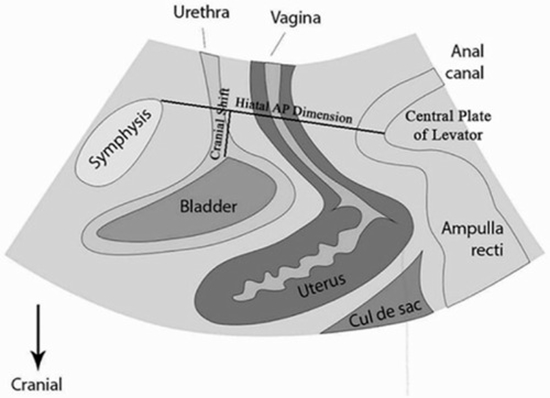
Purpose: To compare the correlation between 2D transperineal ultrasonography and physical examination (intravaginal palpation) for assessing pelvic floor and levator ani function.

Methods: Due to symptoms of pelvic floor disorder, 40 women between the ages of 29 and 75 were enrolled in this study as candidates for urodynamic and structural evaluation of the pelvic floor. A pelvic floor gynaecologist and radiologist assessed the levator ani function via physical examination (graded based on the Oxford Grading System) and transperineal 2D ultrasound, respectively.

Results: The ultrasound parameters for calculating the Levator Ani Index (LAI) demonstrate a difference between the anteroposterior dimension of the levator hiatus (r = 0.691, p < 0.001) and the cranial shift of muscle (r = 0.499, p < 0.001) at rest and during a squeezing manoeuvre in the mid-sagittal plane. Reduced anteroposterior diameter of the hiatus and increased cranial shift were associated with a higher Oxford Physical Examination Score (OPES). The association between LAI and OPES was independent of baseline variables such as age, BMI, number of births, and the presence of incontinence symptoms.

Conclusion: Measures such as the LAI can be used to quantify the function of the levator ani muscle, which may be useful for evaluating the efficacy of pelvic floor physiotherapy and exercise.

  • Article_DOI : 10.1007/s40477-023-00776-6
  • Author(s) : arvin arian,seyedehsahel rasoulighasemlouei
  • News Group : گروه های مطالب,research,research article
  • News Code : 293430
مدیر سیستم
Author:

مدیر سیستم

0 Comments for this article

comment

Post your comment:

متن درون تصویر را در جعبه متن زیر وارد نمائید *
Enter your desired term to search
Theme settings