Advanced Diagnostic & Interventional Radiology Research Center | White Matter Changes in Lewy vs. Alzheimer’s Dementia

Advanced Diagnostic & Interventional Radiology Research Center | White Matter Changes in Lewy vs. Alzheimer’s Dementia
| Jan 5 2026
logo

Advanced Diagnostic & Interventional Radiology Research Center

COVID-19 pandemic 

During the COVID-19 pandemic, the Radiology Research Center at Tehran University of Medical Sciences continued its research activities despite the challenges posed by the increased demand for CT scans of COVID-19 patients and the necessity of adhering to strict health protocols. This center played a crucial role in improving medical imaging techniques, optimizing diagnostic protocols, and advancing technologies related to CT scan image analysis.

Faculty members, researchers, and staff remained committed to ensuring the safety and well-being of healthcare professionals and patients while actively engaging in imaging data analysis, developing artificial intelligence algorithms for faster disease detection, publishing scientific articles, and presenting their findings at international conferences. These efforts aimed to enhance diagnostic accuracy, improve treatment processes, and alleviate pressure on healthcare systems.


Key achievements of the Radiology Research Center during the COVID-19 pandemic include:


✔️ Development and optimization of lung imaging protocols for faster and more accurate COVID-19 diagnosis
✔️ Implementation of artificial intelligence technologies for automated CT scan analysis and reduced diagnosis time
✔️ Publication of high-impact research articles on innovative imaging methods for COVID-19 patients
✔️ Participation in national and international projects focused on COVID-19 diagnosis and patient management

The center remains dedicated to advancing research in medical imaging and continues to contribute as a leading scientific institution in improving the quality of diagnostic and therapeutic services.


Some of the center's significant achievements during the pandemic include:


  • Release Date : Jun 18 2025 - 09:09
  • : 88
  • Study time : 1 minute(s)

Comparative analysis of white matter signal alterations in dementia with Lewy bodies and Alzheimer’s disease: a systematic review and meta analysis
 {faces}

Background and aim: Lewy body diseases (LBD) include neurodegenerative diseases such as Parkinson's disease (PD), dementia with Lewy bodies (DLB), and Parkinson's disease dementia (PDD). Because DLB and Alzheimer's disease (AD) share similar neurological symptoms, DLB is frequently underdiagnosed. White Matter Hyperintensities (WMH) are associated with dementia risk and changes in both DLB and AD. In order to examine WMH discrepancies in DLB and AD patients and gain insight into their diagnostic utility and pathophysiological significance, this systematic review and meta-analysis is conducted.

Material and methods: Databases such as PubMed, Scopus, Google Scholar, and Web of Science were searched for studies reporting WMH in DLB and AD patients based on Preferred Reporting Items for Systematic Review (PRISMA) guideline. Stata version 15 US is used to analyze the extracted data.

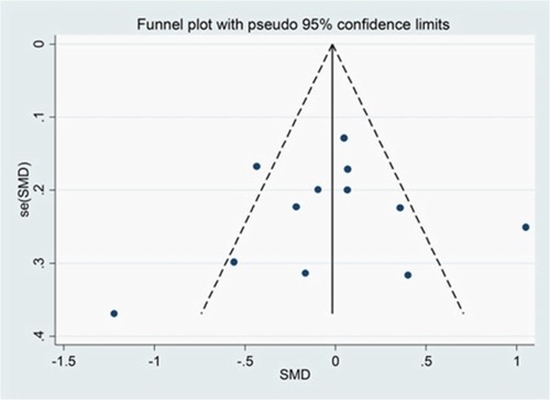
Results: Twelve studies with 906 AD and 499 DLB patients were considered in this analysis. Although not statistically significant, the WMH was 0.03 ml larger in AD patients than in DLB patients. The prevalence of hypertension varied, ranging from 21% to 56% in DLB patients and from 30% to 52% in AD patients. Different findings were found on the prevalence of diabetes; some research suggested that DLB patients had greater rates (18.7%-37%) than AD patients (9%-17.5%). The imaging modalities FLAIR, T2-weighted, and T1-weighted sequences were employed. Compared to DLB patients, AD patients had higher cortical and infratentorial infarcts.

Conclusion: Those with AD have greater WMH volumes than cases with DLB, suggesting that WMH can be a biomarker to help better differentiation between these neurodegenerative diseases; however, this difference is not significant. To better understand the therapeutic implications and options for reducing WMH-related cognitive loss in various patient populations, more research is necessary.

  • Article_DOI : 10.3389/fradi.2025.1554345
  • Author(s) : asad abdi,reza asadsangabi
  • News Group : research,research article
  • News Code : 299817
نفیسه سادات قوامی
Author:

نفیسه سادات قوامی

0 Comments for this article

comment

Post your comment:

متن درون تصویر را در جعبه متن زیر وارد نمائید *
Enter your desired term to search
Theme settings