Advanced Diagnostic & Interventional Radiology Research Center | Correlation between bone mineral densitometry and liver/heart ir

Advanced Diagnostic & Interventional Radiology Research Center | Correlation between bone mineral densitometry and liver/heart ir
| Jan 3 2026
logo

Advanced Diagnostic & Interventional Radiology Research Center

COVID-19 pandemic 

During the COVID-19 pandemic, the Radiology Research Center at Tehran University of Medical Sciences continued its research activities despite the challenges posed by the increased demand for CT scans of COVID-19 patients and the necessity of adhering to strict health protocols. This center played a crucial role in improving medical imaging techniques, optimizing diagnostic protocols, and advancing technologies related to CT scan image analysis.

Faculty members, researchers, and staff remained committed to ensuring the safety and well-being of healthcare professionals and patients while actively engaging in imaging data analysis, developing artificial intelligence algorithms for faster disease detection, publishing scientific articles, and presenting their findings at international conferences. These efforts aimed to enhance diagnostic accuracy, improve treatment processes, and alleviate pressure on healthcare systems.


Key achievements of the Radiology Research Center during the COVID-19 pandemic include:


✔️ Development and optimization of lung imaging protocols for faster and more accurate COVID-19 diagnosis
✔️ Implementation of artificial intelligence technologies for automated CT scan analysis and reduced diagnosis time
✔️ Publication of high-impact research articles on innovative imaging methods for COVID-19 patients
✔️ Participation in national and international projects focused on COVID-19 diagnosis and patient management

The center remains dedicated to advancing research in medical imaging and continues to contribute as a leading scientific institution in improving the quality of diagnostic and therapeutic services.


Some of the center's significant achievements during the pandemic include:


  • Release Date : Sep 23 2013 - 11:30
  • : 25
  • Study time : 1 minute(s)

Correlation between bone mineral densitometry and liver/heart iron overload evaluated by quantitative T2* MRI
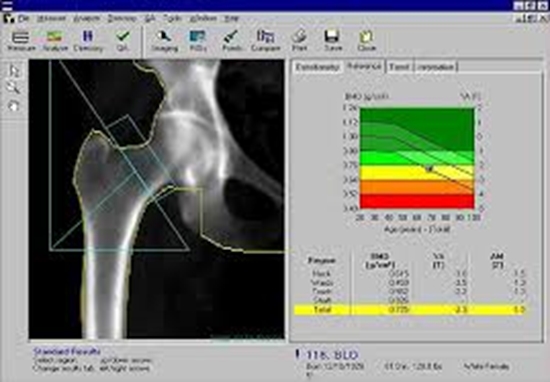
bone mineral densitometry and liver/heart iron overload evaluated by quantitative T2* MRI {faces}

Background:Osteomalacia and osteoporosis are a common clinical problem in patients with betathalassemia major. The purpose of this study is to assess the possible correlation of excess iron in liverand heart of beta thalassemia patient with bone mineral density (BMD).Materials and methods:We performed a prospective cross-sectional study on 80 patients with betathalassemia major and inermedia. The patients were stratified into normal BMD and those with abnormalBMD test based on T-score. All patients underwent magnetic resonance imaging examinations of heartand liver. Multi-echo fast gradient-echo sequence was used and T2* values were calculated based on theRoyal Brompton Hospital protocol. Correlations between T2* values in heart and liver as well as serumferritin levels with femoral and lumbar BMD were investigated.Results:There were no significant differences between patients with and without osteopenia or osteoporosiswith respect to age and sex. Patients with abnormal BMD had lower T2* values in the heart. Serum ferritin andheart iron load (based on T2*) were negatively correlated with BMD.Conclusion:Serum ferritin and heart iron content are good indicators of BMD in patients with betathalassemia major and intermedia

  • Article_DOI : 10.1179/1607845412Y.0000000013
  • Author(s) : laleh ebrahimpour
  • News Group : research,research article
  • News Code : 278594
مدیر سایت
Author:

مدیر سایت

0 Comments for this article

comment

Post your comment:

متن درون تصویر را در جعبه متن زیر وارد نمائید *
Enter your desired term to search
Theme settings