Advanced Diagnostic & Interventional Radiology Research Center |   anatomic landmarks in safe lumbar puncture using MRI

Advanced Diagnostic & Interventional Radiology Research Center |   anatomic landmarks in safe lumbar puncture using MRI
| Jan 4 2026
logo

Advanced Diagnostic & Interventional Radiology Research Center

COVID-19 pandemic 

During the COVID-19 pandemic, the Radiology Research Center at Tehran University of Medical Sciences continued its research activities despite the challenges posed by the increased demand for CT scans of COVID-19 patients and the necessity of adhering to strict health protocols. This center played a crucial role in improving medical imaging techniques, optimizing diagnostic protocols, and advancing technologies related to CT scan image analysis.

Faculty members, researchers, and staff remained committed to ensuring the safety and well-being of healthcare professionals and patients while actively engaging in imaging data analysis, developing artificial intelligence algorithms for faster disease detection, publishing scientific articles, and presenting their findings at international conferences. These efforts aimed to enhance diagnostic accuracy, improve treatment processes, and alleviate pressure on healthcare systems.


Key achievements of the Radiology Research Center during the COVID-19 pandemic include:


✔️ Development and optimization of lung imaging protocols for faster and more accurate COVID-19 diagnosis
✔️ Implementation of artificial intelligence technologies for automated CT scan analysis and reduced diagnosis time
✔️ Publication of high-impact research articles on innovative imaging methods for COVID-19 patients
✔️ Participation in national and international projects focused on COVID-19 diagnosis and patient management

The center remains dedicated to advancing research in medical imaging and continues to contribute as a leading scientific institution in improving the quality of diagnostic and therapeutic services.


Some of the center's significant achievements during the pandemic include:


  • Release Date : Dec 20 2023 - 10:38
  • : 36
  • Study time : 1 minute(s)

Evaluating the reliability of anatomic landmarks in safe lumbar puncture using magnetic resonance imaging: does sex matter?

o determine the level of the conus medullaris-Tuffier's line, and conus medullaris-Tuffier's line distance using imaging and evaluate their relation to age and gender.
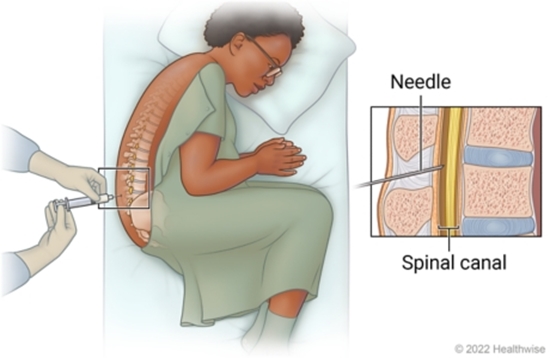
 lumbar puncture {faces}

Aim. To determine the level of the conus medullaris-Tuffier's line, and conus medullaris-Tuffier's line distance using imaging and evaluate their relation to age and gender. Methods. We performed a cross-sectional study of 189 adult participants, who underwent MR imaging of lumbosacral spine. Each vertebra was divided into 3 equal segments (upper, middle, and lower), and intervertebral disc space was also assumed as one segment. All segments from T12 upper segment to L5S1 intervertebral disc were numbered consecutively. The position of conus medullaris and Tuffier's line was determined by the vertebral segment or intervertebral disc space at the same level. The patients were stratified into high/low conus medullaris position (cutpoint: L1 middle segment) and short/long conus-Tuffier's distance (cutpoint: 14 segments). Results. Women with low conus were significantly more than men, in patients older than 50 years old (72.7% in females versus 55.3% in males; P < .05), whereas there was not such a sexual dimorphism in patients younger than 50 years old. Similarly, short conus-Tuffier's distance was more frequent among women than men in patients older than 50 years old (59.7% in females versus 39.5% in males; P < .05), whereas there was not any gender difference in patients younger than 50 years old. Conus-Tuffier's distance was negatively correlated with age (r = −0.32, P < .001) in all studied population. Conclusion. Anatomical landmarks vary according to age and gender, with a lower end of conus medullaris in women, so clinicians should use more caution on the identification of the appropriate site for lumbar puncture, particularly in elderly women.


  • Article_DOI : 10.1155/2011/868632
  • Author(s) : maryam rahmani
  • News Group : research,research article
  • News Code : 278535
مدیر سایت
Author:

مدیر سایت

Enter your desired term to search
Theme settings