Advanced Diagnostic & Interventional Radiology Research Center | Evaluation of hydrogen peroxide- enhanced endoanal ultrasound

Advanced Diagnostic & Interventional Radiology Research Center | Evaluation of hydrogen peroxide- enhanced endoanal ultrasound
| Jan 4 2026
logo

Advanced Diagnostic & Interventional Radiology Research Center

COVID-19 pandemic 

During the COVID-19 pandemic, the Radiology Research Center at Tehran University of Medical Sciences continued its research activities despite the challenges posed by the increased demand for CT scans of COVID-19 patients and the necessity of adhering to strict health protocols. This center played a crucial role in improving medical imaging techniques, optimizing diagnostic protocols, and advancing technologies related to CT scan image analysis.

Faculty members, researchers, and staff remained committed to ensuring the safety and well-being of healthcare professionals and patients while actively engaging in imaging data analysis, developing artificial intelligence algorithms for faster disease detection, publishing scientific articles, and presenting their findings at international conferences. These efforts aimed to enhance diagnostic accuracy, improve treatment processes, and alleviate pressure on healthcare systems.


Key achievements of the Radiology Research Center during the COVID-19 pandemic include:


✔️ Development and optimization of lung imaging protocols for faster and more accurate COVID-19 diagnosis
✔️ Implementation of artificial intelligence technologies for automated CT scan analysis and reduced diagnosis time
✔️ Publication of high-impact research articles on innovative imaging methods for COVID-19 patients
✔️ Participation in national and international projects focused on COVID-19 diagnosis and patient management

The center remains dedicated to advancing research in medical imaging and continues to contribute as a leading scientific institution in improving the quality of diagnostic and therapeutic services.


Some of the center's significant achievements during the pandemic include:


  • Release Date : Jul 26 2023 - 11:11
  • : 16
  • Study time : 1 minute(s)

Evaluation of hydrogen peroxide- enhanced endoanal ultrasound in detecting the internal orifice and type of fistula-in-ano

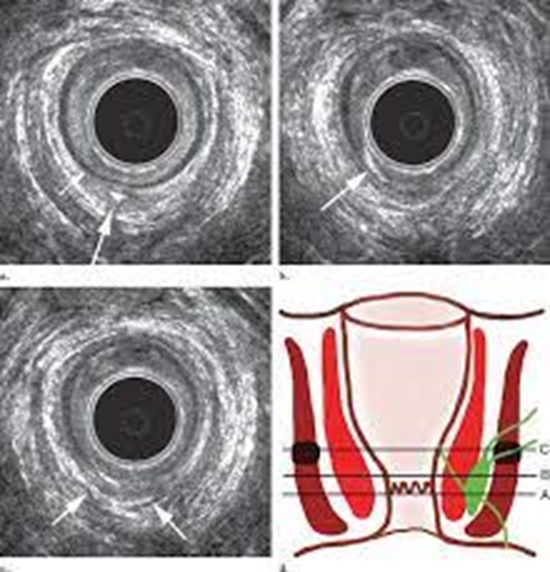
Hydrogen peroxide-enhanced EUS is a suitable method for detecting the internal orifice of anal fistulas. It can be used for detecting trans-sphincteric fistulas, which are the most common type
hydrogen peroxide- enhanced endoanal ultrasound in detecting the internal orifice {faces}

Background/Objective: Accurate delineation of the fistula tract anatomy is necessary for surgical management of anal fistulas. Among different ways to do this, endoanal ultrasound (EUS) is being increasingly used to evaluate patients with anal fistula. In this study we assessed the accuracy of hydrogen peroxide-enhanced EUS in detecting the internal orifice and the type of the fistula. Patients and Methods: Patients with history and physical examination compatible with fistula-in-ano underwent an injection of 1 ml hydrogen peroxide into the external orifice and then EUS with a 7.5 MHz probe was carried out prior to surgery. The location of the internal orifice, presence of the abscess and the type of the fistula were examined and the results were compared with surgical findings. Results: Thirty-two patients entered the study. The fistula type could be identified in 29 patients (90.6%). Twenty-two (75.8%) of these patients had trans-sphincteric and seven (24.2%) had inter-sphincteric fistulas. In 11 (34.3%) patients, an abscess was found uring EUS. The fistula type was identified surgically in 29 patients, in which 26 were trans-sphincteric (89.8%), two were inter-sphincteric (6.8%), and one was extra-sphincteric (3.4%). There was a difference between detected sites of internal orifices during EUS and surgery (p value<0.001). Hydrogen peroxide-enhanced EUS had an appropriate agreement in detecting transsphincteric fistulas with surgery. Conclusion: Hydrogen peroxide-enhanced EUS is a suitable method for detecting the internal orifice of anal fistulas. It can be used for detecting trans-sphincteric fistulas, which are the most common type.

  • Article_DOI : CC BY-NC 4.0
  • Author(s) : hossein ghanaati,mohammad sadegh fazeli
  • News Group : research,research article
  • News Code : 278588
مدیر سایت
Author:

مدیر سایت

0 Comments for this article

comment

Post your comment:

متن درون تصویر را در جعبه متن زیر وارد نمائید *
Enter your desired term to search
Theme settings