Advanced Diagnostic & Interventional Radiology Research Center | kdr resistance in Anopheles stephensi Iran

Advanced Diagnostic & Interventional Radiology Research Center | kdr resistance in Anopheles stephensi Iran
| Dec 10 2025
logo

Advanced Diagnostic & Interventional Radiology Research Center

COVID-19 pandemic 

During the COVID-19 pandemic, the Radiology Research Center at Tehran University of Medical Sciences continued its research activities despite the challenges posed by the increased demand for CT scans of COVID-19 patients and the necessity of adhering to strict health protocols. This center played a crucial role in improving medical imaging techniques, optimizing diagnostic protocols, and advancing technologies related to CT scan image analysis.

Faculty members, researchers, and staff remained committed to ensuring the safety and well-being of healthcare professionals and patients while actively engaging in imaging data analysis, developing artificial intelligence algorithms for faster disease detection, publishing scientific articles, and presenting their findings at international conferences. These efforts aimed to enhance diagnostic accuracy, improve treatment processes, and alleviate pressure on healthcare systems.


Key achievements of the Radiology Research Center during the COVID-19 pandemic include:


✔️ Development and optimization of lung imaging protocols for faster and more accurate COVID-19 diagnosis
✔️ Implementation of artificial intelligence technologies for automated CT scan analysis and reduced diagnosis time
✔️ Publication of high-impact research articles on innovative imaging methods for COVID-19 patients
✔️ Participation in national and international projects focused on COVID-19 diagnosis and patient management

The center remains dedicated to advancing research in medical imaging and continues to contribute as a leading scientific institution in improving the quality of diagnostic and therapeutic services.


Some of the center's significant achievements during the pandemic include:


  • Release Date : Feb 26 2025 - 08:04
  • : 88
  • Study time : 1 minute(s)

Evaluation of the knockdown resistance locus (kdr) in Anopheles stephensi (Diptera: Culicidae) in southeastern Iran
knockdown resistance locus (kdr) in Anopheles stephensi  {faces}

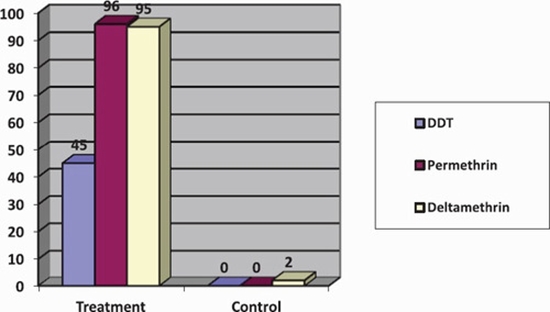
Background & objectives: The resistance to insecticide among Anopheles stephensi population due to insecticide selection pressure has been previously reported from Iran. The current study was performed to evaluate the susceptibility of different insecticide reagents against An. stephensi by bioassay and molecular methods in Saravan County, a malaria-endemic area in southeastern Iran.

Methods: An. stephensi mosquitoes were collected from different larval habitats in Saravan City, southeastern Iran in 2022. At first, the susceptibility of collected samples for DDT, permethrin, and deltamethrin were evaluated by bioassay test. The collected mosquitoes were then evaluated for the presence of different kdr mutations.

Results: Insecticide susceptibility tests were conducted on the field population of An. stephensi from Saravan, revealing its potential resistance to pyrethroids and DDT. Of the 150 An. stephensi samples, 4 % carried the kdr L1014F mutation as heterozygous and the rest of them were homozygous L1014 wild type.

Interpretation & conclusion: The current study revealed the presence of L1014F mutation for the first time in Iran. So, further monitoring of kdr mutations in the VGSC gene and resistance phenotypes should be performed.

  • Article_DOI : 10.4103/0972-9062.383648
  • Author(s) : ramtin hajibeygi,mohammad darvishi
  • News Group : research,research article
  • News Code : 293417
مدیر سایت
Author:

مدیر سایت

0 Comments for this article

comment

Post your comment:

متن درون تصویر را در جعبه متن زیر وارد نمائید *
Enter your desired term to search
Theme settings