Advanced Diagnostic & Interventional Radiology Research Center | Factors Predicting Outcome in Intensive Care Unit-Admitted COVID

Advanced Diagnostic & Interventional Radiology Research Center | Factors Predicting Outcome in Intensive Care Unit-Admitted COVID
| Jan 3 2026
logo

Advanced Diagnostic & Interventional Radiology Research Center

COVID-19 pandemic 

During the COVID-19 pandemic, the Radiology Research Center at Tehran University of Medical Sciences continued its research activities despite the challenges posed by the increased demand for CT scans of COVID-19 patients and the necessity of adhering to strict health protocols. This center played a crucial role in improving medical imaging techniques, optimizing diagnostic protocols, and advancing technologies related to CT scan image analysis.

Faculty members, researchers, and staff remained committed to ensuring the safety and well-being of healthcare professionals and patients while actively engaging in imaging data analysis, developing artificial intelligence algorithms for faster disease detection, publishing scientific articles, and presenting their findings at international conferences. These efforts aimed to enhance diagnostic accuracy, improve treatment processes, and alleviate pressure on healthcare systems.


Key achievements of the Radiology Research Center during the COVID-19 pandemic include:


✔️ Development and optimization of lung imaging protocols for faster and more accurate COVID-19 diagnosis
✔️ Implementation of artificial intelligence technologies for automated CT scan analysis and reduced diagnosis time
✔️ Publication of high-impact research articles on innovative imaging methods for COVID-19 patients
✔️ Participation in national and international projects focused on COVID-19 diagnosis and patient management

The center remains dedicated to advancing research in medical imaging and continues to contribute as a leading scientific institution in improving the quality of diagnostic and therapeutic services.


Some of the center's significant achievements during the pandemic include:


  • Release Date : Jul 8 2024 - 11:22
  • : 103
  • Study time : 1 minute(s)

Factors Predicting Outcome in Intensive Care Unit Admitted COVID 19 Patients: Using Clinical, Laboratory, and Radiologic Characteristics
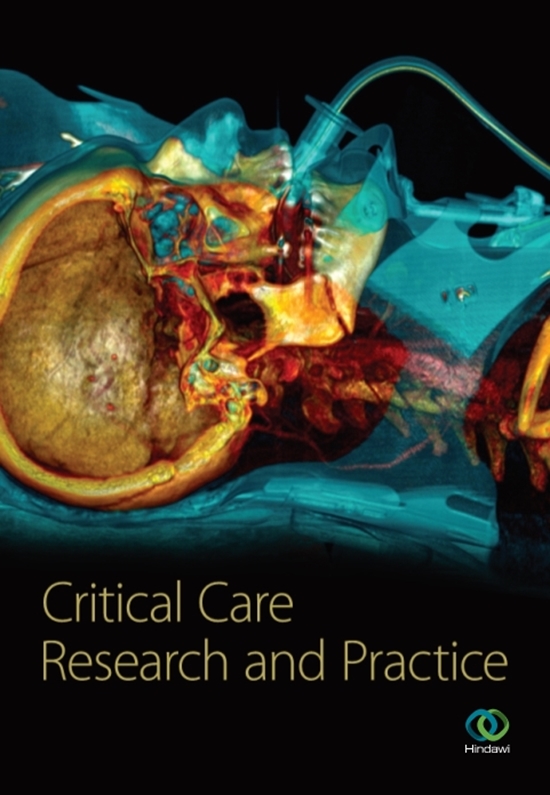
Outcome in Intensive Care Unit-Admitted COVID-19 Patients {faces}

Purpose. To investigate the factors contributing to mortality in coronavirus disease 2019 (COVID-19) patients admitted in the intensive care unit (ICU) and design a model to predict the mortality rate. Method. We retrospectively evaluated the medical records and CT images of the ICU-admitted COVID-19 patients who had an on-admission chest CT scan. We analyzed the patients’ demographic, clinical, laboratory, and radiologic findings and compared them between survivors and nonsurvivors. Results. Among the 121 enrolled patients (mean age, 62.2 ± 14.0 years; male, 82 (67.8%)), 41 (33.9%) survived, and the rest succumbed to death. The most frequent radiologic findings were ground-glass opacity (GGO) (71.9%) with peripheral (38.8%) and bilateral (98.3%) involvement, with lower lobes (94.2%) predominancy. The most common additional findings were cardiomegaly (63.6%), parenchymal band (47.9%), and crazy-paving pattern (44.4%). Univariable analysis of radiologic findings showed that cardiomegaly (p : 0.04), pleural effusion (p : 0.02), and pericardial effusion (p : 0.03) were significantly more prevalent in nonsurvivors. However, the extension of pulmonary involvement was not significantly different between the two subgroups (11.4 ± 4.1 in survivors vs. 11.9 ± 5.1 in nonsurvivors, p : 0.59). Among nonradiologic factors, advanced age (p : 0.002), lower O2 saturation (p : 0.01), diastolic blood pressure (p : 0.02), and hypertension (p : 0.03) were more commonly found in nonsurvivors. There was no significant difference between survivors and nonsurvivors in terms of laboratory findings. Three following factors remained significant in the backward logistic regression model: O2 saturation (OR: 0.91 (95% CI: 0.84–0.97), p : 0.006), pericardial effusion (6.56 (0.17–59.3), p : 0.09), and hypertension (4.11 (1.39–12.2), p : 0.01). This model had 78.7% sensitivity, 61.1% specificity, 90.0% positive predictive value, and 75.5% accuracy in predicting in-ICU mortality. Conclusion. A combination of underlying diseases, vital signs, and radiologic factors might have prognostic value for mortality rate prediction in ICU-admitted COVID-19 patients

  • Article_DOI : https://doi.org/10.1155/2021/9941570
  • Author(s) : aminreza abkhoo,elaheh shaker
  • News Group : research,research article,covid 19,covid
  • News Code : 278255
مدیر سایت
Author:

مدیر سایت

Enter your desired term to search
Theme settings