Advanced Diagnostic & Interventional Radiology Research Center | Fatal Spontaneous Retroperitoneal Hematoma Following Physical Ex

Advanced Diagnostic & Interventional Radiology Research Center | Fatal Spontaneous Retroperitoneal Hematoma Following Physical Ex
| Aug 4 2026
logo

Advanced Diagnostic & Interventional Radiology Research Center

COVID-19 pandemic 

During the COVID-19 pandemic, the Radiology Research Center at Tehran University of Medical Sciences continued its research activities despite the challenges posed by the increased demand for CT scans of COVID-19 patients and the necessity of adhering to strict health protocols. This center played a crucial role in improving medical imaging techniques, optimizing diagnostic protocols, and advancing technologies related to CT scan image analysis.

Faculty members, researchers, and staff remained committed to ensuring the safety and well-being of healthcare professionals and patients while actively engaging in imaging data analysis, developing artificial intelligence algorithms for faster disease detection, publishing scientific articles, and presenting their findings at international conferences. These efforts aimed to enhance diagnostic accuracy, improve treatment processes, and alleviate pressure on healthcare systems.


Key achievements of the Radiology Research Center during the COVID-19 pandemic include:


✔️ Development and optimization of lung imaging protocols for faster and more accurate COVID-19 diagnosis
✔️ Implementation of artificial intelligence technologies for automated CT scan analysis and reduced diagnosis time
✔️ Publication of high-impact research articles on innovative imaging methods for COVID-19 patients
✔️ Participation in national and international projects focused on COVID-19 diagnosis and patient management

The center remains dedicated to advancing research in medical imaging and continues to contribute as a leading scientific institution in improving the quality of diagnostic and therapeutic services.


Some of the center's significant achievements during the pandemic include:


  • Release Date : Jun 16 2026 - 10:56
  • : 5
  • Study time : Less than one minute

Fatal Spontaneous Retroperitoneal Hematoma Following Intense Physical Exertion in a Young Healthy Male: A Case Report
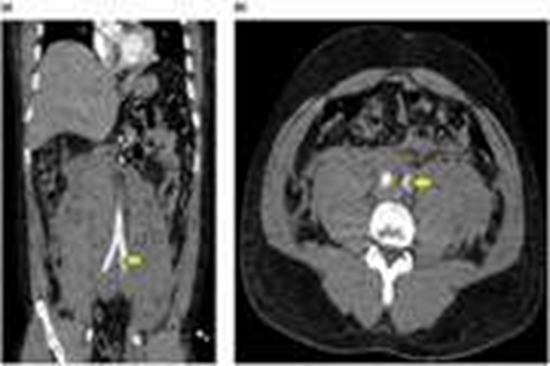
Fatal Spontaneous Retroperitoneal Hematoma Following Physical Exertion {faces}

Spontaneous retroperitoneal hematoma (SRH) is a rare but potentially life-threatening condition characterized by hemorrhage into the retroperitoneal space without an obvious traumatic, iatrogenic, or aneurysmal cause. Although often linked to anticoagulation therapy, hemodialysis, or vascular abnormalities, SRH may also occur in individuals without predisposing factors, posing a significant diagnostic challenge [1, 2].

The retroperitoneum contains numerous vessels, including lumbar arteries, iliac vessels, and venous plexuses, which can bleed. Typical features include sudden abdominal or flank pain, hypovolemia, and occasionally Lenk's triad (pain, palpable mass, shock) [3]. Contrast-enhanced CT is preferred for diagnosis and planning, with angiography used for both diagnosis and intervention [1, 4].

Although exceedingly rare, physical exertion, particularly involving intense Valsalva maneuvers or heavy lifting, has been identified as a trigger for vascular rupture [5]. We report the case of a young, previously healthy male who developed a fatal SRH following strenuous exercise, a presentation highlighting the importance of recognizing exertion-related vascular emergencies.

  • Article_DOI : doi.org/10.1002/ccr3.72296
  • Author(s) : golnaz moradi
  • News Group : research,case report
  • News Code : 323645
نفیسه سادات قوامی
Author:

نفیسه سادات قوامی

0 Comments for this article

comment

Post your comment:

متن درون تصویر را در جعبه متن زیر وارد نمائید *
Enter your desired term to search
Theme settings