Advanced Diagnostic & Interventional Radiology Research Center | Five insights from the Global Burden of Disease Study 2019
Advanced Diagnostic & Interventional Radiology Research Center | Five insights from the Global Burden of Disease Study 2019
| Dec 15 2025
logo

Advanced Diagnostic & Interventional Radiology Research Center

COVID-19 pandemic 

During the COVID-19 pandemic, the Radiology Research Center at Tehran University of Medical Sciences continued its research activities despite the challenges posed by the increased demand for CT scans of COVID-19 patients and the necessity of adhering to strict health protocols. This center played a crucial role in improving medical imaging techniques, optimizing diagnostic protocols, and advancing technologies related to CT scan image analysis.

Faculty members, researchers, and staff remained committed to ensuring the safety and well-being of healthcare professionals and patients while actively engaging in imaging data analysis, developing artificial intelligence algorithms for faster disease detection, publishing scientific articles, and presenting their findings at international conferences. These efforts aimed to enhance diagnostic accuracy, improve treatment processes, and alleviate pressure on healthcare systems.


Key achievements of the Radiology Research Center during the COVID-19 pandemic include:


✔️ Development and optimization of lung imaging protocols for faster and more accurate COVID-19 diagnosis
✔️ Implementation of artificial intelligence technologies for automated CT scan analysis and reduced diagnosis time
✔️ Publication of high-impact research articles on innovative imaging methods for COVID-19 patients
✔️ Participation in national and international projects focused on COVID-19 diagnosis and patient management

The center remains dedicated to advancing research in medical imaging and continues to contribute as a leading scientific institution in improving the quality of diagnostic and therapeutic services.


Some of the center's significant achievements during the pandemic include:


  • Release Date : Jun 18 2024 - 13:02
  • : 38
  • Study time : 1 minute(s)

Five insights from the Global Burden of Disease Study 2019

Five insights from the Global Burden of Disease {faces}

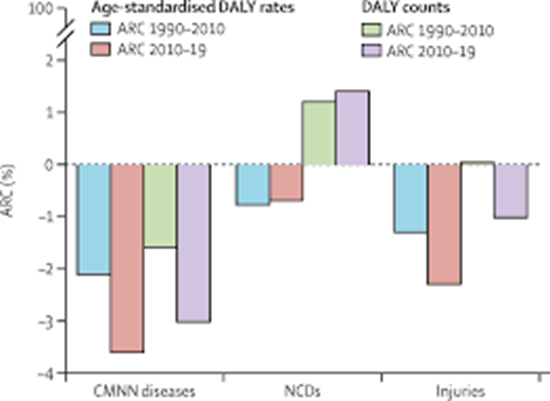
The Global Burden of Diseases, Injuries, and Risk Factors Study (GBD) 2019 provides a rules-based synthesis of the available evidence on levels and trends in health outcomes, a diverse set of risk factors, and health system responses. GBD 2019 covered 204 countries and territories, as well as first administrative level disaggregations for 22 countries, from 1990 to 2019. Because GBD is highly standardised and comprehensive, spanning both fatal and non-fatal outcomes, and uses a mutually exclusive and collectively exhaustive list of hierarchical disease and injury causes, the study provides a powerful basis for detailed and broad insights on global health trends and emerging challenges. GBD 2019 incorporates data from 281 586 sources and provides more than 3·5 billion estimates of health outcome and health system measures of interest for global, national, and subnational policy dialogue. All GBD estimates are publicly available and adhere to the Guidelines on Accurate and Transparent Health Estimate Reporting. From this vast amount of information, five key insights that are important for health, social, and economic development strategies have been distilled. These insights are subject to the many limitations outlined in each of the component GBD capstone papers

  • Article_DOI :
  • Author(s) : christhoper jl murray,abbafati cristiana,mohammad abbasi
  • News Group : research,research article
  • News Code : 278292
مدیر سایت
Author:

مدیر سایت

Enter your desired term to search
Theme settings