Advanced Diagnostic & Interventional Radiology Research Center | MR cholangiopancreatography (MRCP) images after black tea consum

Advanced Diagnostic & Interventional Radiology Research Center | MR cholangiopancreatography (MRCP) images after black tea consum
| Jan 3 2026
logo

Advanced Diagnostic & Interventional Radiology Research Center

COVID-19 pandemic 

During the COVID-19 pandemic, the Radiology Research Center at Tehran University of Medical Sciences continued its research activities despite the challenges posed by the increased demand for CT scans of COVID-19 patients and the necessity of adhering to strict health protocols. This center played a crucial role in improving medical imaging techniques, optimizing diagnostic protocols, and advancing technologies related to CT scan image analysis.

Faculty members, researchers, and staff remained committed to ensuring the safety and well-being of healthcare professionals and patients while actively engaging in imaging data analysis, developing artificial intelligence algorithms for faster disease detection, publishing scientific articles, and presenting their findings at international conferences. These efforts aimed to enhance diagnostic accuracy, improve treatment processes, and alleviate pressure on healthcare systems.


Key achievements of the Radiology Research Center during the COVID-19 pandemic include:


✔️ Development and optimization of lung imaging protocols for faster and more accurate COVID-19 diagnosis
✔️ Implementation of artificial intelligence technologies for automated CT scan analysis and reduced diagnosis time
✔️ Publication of high-impact research articles on innovative imaging methods for COVID-19 patients
✔️ Participation in national and international projects focused on COVID-19 diagnosis and patient management

The center remains dedicated to advancing research in medical imaging and continues to contribute as a leading scientific institution in improving the quality of diagnostic and therapeutic services.


Some of the center's significant achievements during the pandemic include:


  • Release Date : Dec 20 2023 - 09:43
  • : 54
  • Study time : 1 minute(s)

Improvement of MR cholangiopancreatography (MRCP) images after black tea consumption

Evaluation of the efficacy of black tea as the negative oral contrast agent in MRCP
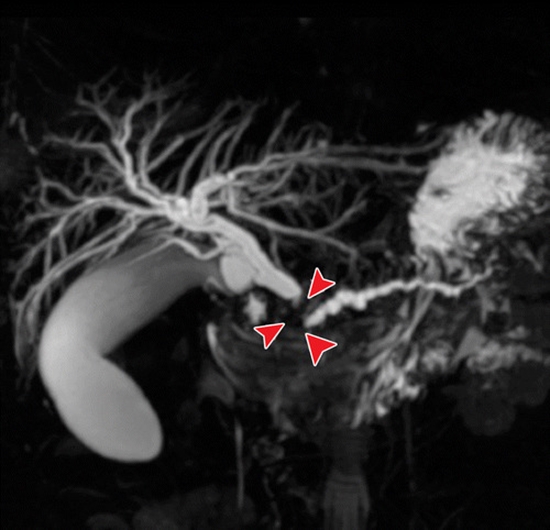
MR cholangiopancreatograph {faces}

Objective: Evaluation of the efficacy of black tea as the negative oral contrast agent in MRCP.

Materials and methods: MRCP was performed before and 5 and 15 min after tea consumption for 35 patients. Depiction of the gall bladder (GB), cystic duct (CD), proximal and distal parts of the common bile duct (CBD), intrahepatic ducts (IHD), ampulla of vater (AV), main pancreatic duct (MPD) and signal loss of stomach and three different segments of the duodenum were investigated according to VAS and Likert scores.

Results: Twenty-one of the patients (60%) were female (mean age, 50.3 ± 19.2 years). Regarding visibility of different anatomical parts of the pancreatobiliary tree, the post procedure images were better visualized in the distal part of CBD, AV and MPD in Likert and VAS scoring (all P ≤ 0.001). Regarding obliteration of high signal in the stomach and three different parts of the duodenum, all post procedure images showed significant disappearance of high signal in Likert and VAS scoring systems (all Ps ≤ 0.001).

Conclusion: Black tea is a simple and safe negative oral contrast agent which reduces the signal intensity of gastrointestinal tract fluid and provides improved depiction of the MPD, the distal CBD and the ampulla during MRCP. Key Points •Tea is an effective negative oral contrast agent for gastrointestinal MRI •Ingestion of black tea improves conspicuity of the distal CBD in MRCP.

  • Article_DOI : 10.1007/s00330-011-2217-0
  • Author(s) : hossein ghanaati,kavous firouznia
  • News Group : research,research article
  • News Code : 278539
مدیر سایت
Author:

مدیر سایت

Enter your desired term to search
Theme settings