Advanced Diagnostic & Interventional Radiology Research Center | Prospective Profile of Endovascular Coiling of Cerebral Aneurys

Advanced Diagnostic & Interventional Radiology Research Center | Prospective Profile of Endovascular Coiling of Cerebral Aneurys
| Jan 4 2026
logo

Advanced Diagnostic & Interventional Radiology Research Center

COVID-19 pandemic 

During the COVID-19 pandemic, the Radiology Research Center at Tehran University of Medical Sciences continued its research activities despite the challenges posed by the increased demand for CT scans of COVID-19 patients and the necessity of adhering to strict health protocols. This center played a crucial role in improving medical imaging techniques, optimizing diagnostic protocols, and advancing technologies related to CT scan image analysis.

Faculty members, researchers, and staff remained committed to ensuring the safety and well-being of healthcare professionals and patients while actively engaging in imaging data analysis, developing artificial intelligence algorithms for faster disease detection, publishing scientific articles, and presenting their findings at international conferences. These efforts aimed to enhance diagnostic accuracy, improve treatment processes, and alleviate pressure on healthcare systems.


Key achievements of the Radiology Research Center during the COVID-19 pandemic include:


✔️ Development and optimization of lung imaging protocols for faster and more accurate COVID-19 diagnosis
✔️ Implementation of artificial intelligence technologies for automated CT scan analysis and reduced diagnosis time
✔️ Publication of high-impact research articles on innovative imaging methods for COVID-19 patients
✔️ Participation in national and international projects focused on COVID-19 diagnosis and patient management

The center remains dedicated to advancing research in medical imaging and continues to contribute as a leading scientific institution in improving the quality of diagnostic and therapeutic services.


Some of the center's significant achievements during the pandemic include:


  • Release Date : Dec 20 2023 - 14:10
  • : 65
  • Study time : 1 minute(s)

The Prospective Profile of Endovascular Coiling of Cerebral Aneurysms: The Impact of Clinical Presentation, Procedural Results, Aneurysm Rupture and Location

Selection of voxels with the guide of chemical shift imaging map yields to 100% diagnostic sensitivity. If not accessible, the use of the union of peripheral and central voxels enhances the sensitivity when compared to usage of peripheral or central voxels solely.
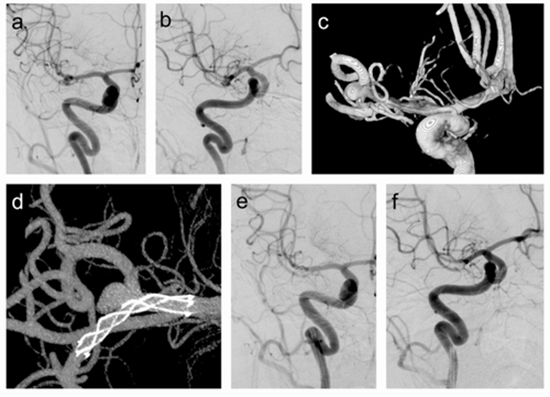
cerebral aneurysm {faces}

Background

Although magnetic resonance spectroscopy (MRS) has been shown as an effective diagnostic tool in distinguishing inflammation from neoplasm in cystic brain lesions, the optimum approach in selecting the portions of lesions in MRS and the possible effects of different times of echoes (TEs) remains unknown.

Objectives

To determine the most effective TE in diagnosing neoplastic lesions based on detecting choline (Cho), N acetyl aspartate (NAA) and creatinine (Cr). Moreover, the role of voxel localization on the diagnosis of the neoplastic nature of the lesions is assessed through comparing the abovementioned metabolite ratios in the rim and center of each lesion with the same TE.

Patients and Methods

In 16 patients with brain cystic tumors, MRS was performed at TEs of 30, 135 and 270 ms for detection of Cho, NAA and Cr metabolites using a 3 tesla MRI unit. The percentage of analyzed ratios greater than a cut-off point of 1.3 for Cho/Cr and 1.6 for Cho/NAA were calculated.

Results

Cho/Cr and Cho/NAA ratio means at all TEs were more at the central area in comparison with the periphery, although none of the differences were statistically significant. There was no statistically significant difference among the compared TEs. The percentages of ratios above the cut-off point at all TEs were more in the rim compared to the center and in the union of both compared to the rim or center. All the patients had at least one voxel with a Cho/Cr ratio of more than 1.3 when the voxel was chosen according to the hotspots shown in the chemical shift imaging map, regardless of their location at all examined TEs.

Conclusions

Selection of voxels with the guide of chemical shift imaging map yields to 100% diagnostic sensitivity. If not accessible, the use of the union of peripheral and central voxels enhances the sensitivity when compared to usage of peripheral or central voxels solely.

Keywords: Brain Neoplasms, Choline, Creatinine, Magnetic Resonance Spectroscopy, N-acetylaspartate, Cystic
  • Article_DOI : 10.4172/scientificreports.489
  • Author(s) : hossein ghanaati,mahsa mousavi
  • News Group : research,research article,aneurysm
  • News Code : 278523
مدیر سایت
Author:

مدیر سایت

Enter your desired term to search
Theme settings