Advanced Diagnostic & Interventional Radiology Research Center | iron oxide nanoparticles surface engineering on relaxivity of m

Advanced Diagnostic & Interventional Radiology Research Center | iron oxide nanoparticles surface engineering on relaxivity of m
| Jan 3 2026
logo

Advanced Diagnostic & Interventional Radiology Research Center

COVID-19 pandemic 

During the COVID-19 pandemic, the Radiology Research Center at Tehran University of Medical Sciences continued its research activities despite the challenges posed by the increased demand for CT scans of COVID-19 patients and the necessity of adhering to strict health protocols. This center played a crucial role in improving medical imaging techniques, optimizing diagnostic protocols, and advancing technologies related to CT scan image analysis.

Faculty members, researchers, and staff remained committed to ensuring the safety and well-being of healthcare professionals and patients while actively engaging in imaging data analysis, developing artificial intelligence algorithms for faster disease detection, publishing scientific articles, and presenting their findings at international conferences. These efforts aimed to enhance diagnostic accuracy, improve treatment processes, and alleviate pressure on healthcare systems.


Key achievements of the Radiology Research Center during the COVID-19 pandemic include:


✔️ Development and optimization of lung imaging protocols for faster and more accurate COVID-19 diagnosis
✔️ Implementation of artificial intelligence technologies for automated CT scan analysis and reduced diagnosis time
✔️ Publication of high-impact research articles on innovative imaging methods for COVID-19 patients
✔️ Participation in national and international projects focused on COVID-19 diagnosis and patient management

The center remains dedicated to advancing research in medical imaging and continues to contribute as a leading scientific institution in improving the quality of diagnostic and therapeutic services.


Some of the center's significant achievements during the pandemic include:


  • Release Date : Mar 13 2024 - 13:55
  • : 41
  • Study time : 1 minute(s)

The effect of superparamagnetic iron oxide nanoparticles surface engineering on relaxivity of magnetoliposome

The purpose of this work is evaluating the effect of ultra small superparamagnetic iron oxide nanoparticles (USPIONs) coatings on encapsulation efficiency in liposomes and cellular cytotoxicity assay
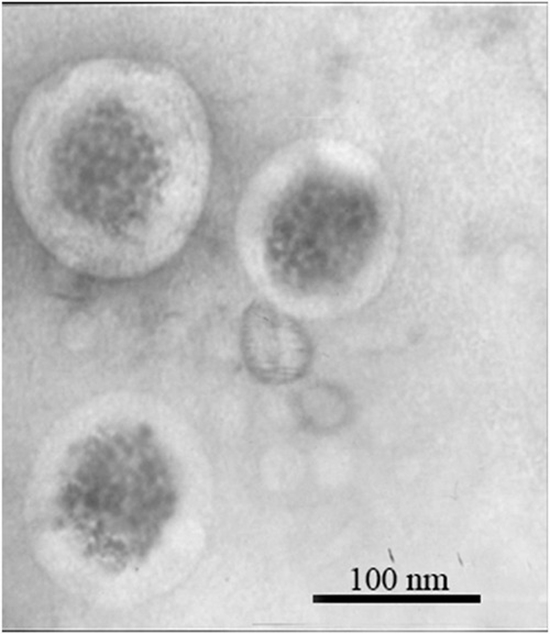
superparamagnetic iron oxide nanoparticles surface engineering on relaxivity of magnetoliposome {faces}

The purpose of this work is evaluating the effect of ultra small superparamagnetic iron oxide nanoparticles (USPIONs) coatings on encapsulation efficiency in liposomes and cellular cytotoxicity assay. Moreover, we assessed the effects of surface engineering on the relaxivity of magnetoliposome nanoparticles in order to create a targeted reagent for the intelligent diagnosis of cancers by MRI. For estimating the effect of nanoparticle coatings on encapsulation, several kinds of USPIONs coated by dextran, PEG5000 and citrate were used. All kinds of samples are monodispersed and below 100 ± 10 nm and the coatings of USPIONs have no significant effect on magnetoliposome diameter. The coating of USPIONs could have effect on percentage of encapsulation. The dextran coated USPIONs have more stability and quality accordingly the encapsulation increased up to 92%, then the magnetoliposome nano particles have been targeted by Herceptin and anti-HER2 VHH, separately. Over storage period of four weeks the resulting particles were stable and physico-chemical properties such as size and zetapotential did not show any significant changes. The relaxivity of contrast agents was measured using a 1.5 T MRI. The r2/r1 ratio was more than two for all samples which demonstrate the negative contrast enhancing of all SPION embedded specimens. The high ratio of r2/r1 as well as high r2 is the best combination of a negative contrast agent as it is obtained for pure magnetite. The value of r2/r1 for all other samples including Herceptin targeted magnetoliposome, anti-HER2 VHH targeted magnetoliposome and non-targeted magnetoliposome were between ~21 to ~28, which show the magnetite embedded samples have enough negative contrast to be detectable by MRI. Therefore the HER2 targeted magnetoliposomes are a good and stable candidate as contrast agents in clinical radiology and biomedical research with minimal cytotoxicity and biocompatibility effects. Copyright © 2016 John Wiley & Sons, Ltd.

  • Article_DOI : 10.1002/cmmi.1697
  • Author(s) : sepideh khaleghi ,fatemeh rahbarizadeh
  • News Group : research,research article
  • News Code : 278440
مدیر سایت
Author:

مدیر سایت

Enter your desired term to search
Theme settings