


The Neural Representation of Rhythm, Non-Rhythm and Melody Aspects in Persian Classical Music: An fmri Study
The aim of this study is to evaluate the functional activity of brain during the perception of rhythm and melody in Persian classical music using fMRI
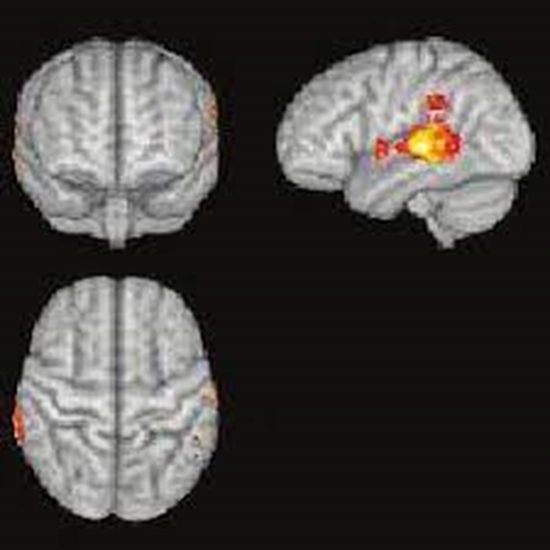
Purpose: The perception of music relies on many culture-specific factors; nevertheless this is processed by physiological and functional attributes of the brain system. The aim of this study is to evaluate the functional activity of brain during the perception of rhythm and melody in Persian classical music using fMRI. Methods: The test consists of two groups of Persian Modal music scales, frequently called Dastgāh. Mahour and Homayoun, in two parts of non-rhythmic and rhythmic pieces presented on 19 right-handed non-musicians.
Results: The results of this study revealed the brain activities for each of rhythmic and non-rhythmic versions of Mahour and Homayoun Dastgah. For non-rhythmic Mahour, the activation was found in right lingual gyrus, right precuneous cortex, left Inferior frontal gyrus, and left temporal lobe; whereas for rhythmic Mahour, the areas contain left supplementary motor cortex, left superior frontal gyrus, right and left precentral and postcentral gyrus, left supramarginal gyrus, and right temporal pole. The activated regions for non-rhythmic Homayoun include right and left subcallosal cortex, left medial frontal cortex, left anterior cingulate gyrus, and left frontal pole. In contrast, for rhythmic Homayoun, alternative areas including left precentral gyrus, left precuneous cortex, left anterior supramarginal, and left postcentral gyrus were revealed.
Conclusion: rhythmic pieces were shown to activate the areas mostly involved in movement while non-rhythmic pieces related to emotional and memory regions. Although, these results are not consistent totally with the previous findings on western music, they are similar to the outcomes performed on eastern cultural subjects.


Send to friends