


Neural Tube Defects: Distribution and Associated Anomalies Diagnosed by Prenatal Ultrasonography in Iranian Fetuses
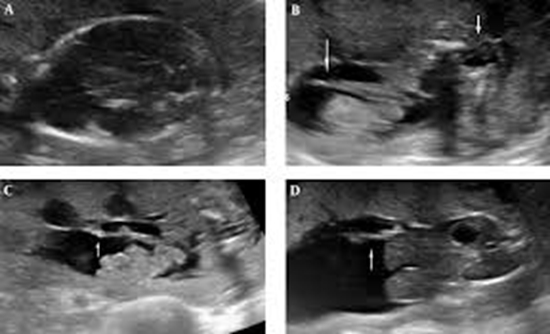
Objectives: The current study aimed at providing detailed information about the distribution, associated anomalies, and syndromes in Iranian fetuses with neural tube defects (NTDs)
Methods: The current study was conducted in Yas Females’ referral and teaching hospital in 18 months from 2014 to 2016. All fetuses with a prenatally detected neural tube defect were included in the study. Neural tube defect characterization, gestational age, maternal reproductive factors, maternal risk factors, and associated anomalies were recorded.
Results: Neural tube abnormalities were identified prenatally in 80 fetuses: 40 cases of ex/anencephaly, 22 cases of spina bifida, 13 cases of cephalocele and 5 cases of anencephaly /craniorachischisis. All the cases were detected before 21st week of gestation and 92.5% of the ex/anencephaly cases were diagnosed in the 1st trimester. Moreover, 40% of the open spina bifida cases in the current study were myelocele, while 75% of them referred only due to abnormal cranial findings. Incomplete consumption of folate was the most common associated risk factor (45%). Associated anomalies were recorded in 53 (66%) fetuses, with more prevalence in the fetuses with spina bifida (90%). Among the associated anomalies, central nervous system (CNS) anomalies were the most common type (26.26%). Chiari II was found in all the cases of open spina bifida and the ventriculomegaly rate was 30% in this group. Extremities anomalies and spine deformities were the 2nd and 3rd common associated findings, respectively. Limb-body-wall complex/amniotic band syndrome was the most common identified associated syndrome (6%).
Conclusions: Results of the current study confirmed the high prevalence of associated anomalies in neural tube defect cases and revealed the capability of detailed sonography to detect and define such abnormalities


Send to friends