



Necrotizing orbital infections: A comprehensive review
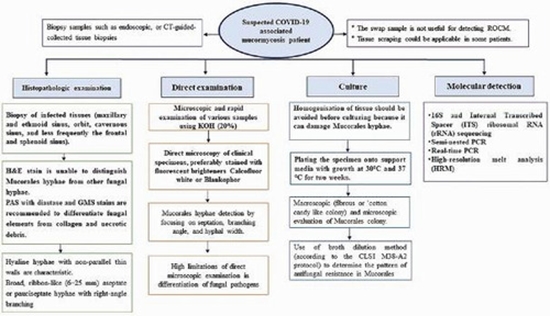
Necrotizing orbital infections (NOIs) are critical, rapidly progressive conditions linked to significant morbidity and mortality, particularly in immunocompromised patients. Infections caused by bacterial, fungal, or viral pathogens can lead to tissue ischemia, necrosis, and serious consequences, including vision loss, intracranial extension, sepsis, and death. Bacterial infections, especially those induced by Group A Streptococcus and methicillin-resistant Staphylococcus aureus, are more prevalent, although invasive fungal infections such as mucormycosis and aspergillosis frequently occur in immunocompromised individuals. Viral infections, although rare, can also induce NOIs, particularly in persons infected with viruses from the Herpesviridae family. Early diagnosis is essential and depends on appropriate and timely clinical evaluations, imaging, and microbiological analysis. Management often entails a combination of broad-spectrum antibiotics, antifungal or antiviral medications, and surgical procedures, including meticulous debridement and abscess drainage. The prognosis is contingent upon prompt and proper treatment, and any delay in proper intervention may lead to higher serious morbidity or mortality. This review provides a comprehensive overview of the etiopathogenesis, clinical manifestations, diagnostic methods, and evidence-based treatment regimens for necrotizing orbital and periorbital infections, highlighting the necessity of a multidisciplinary approach to enhance patient outcomes.


ارسال نظر