مرکز تحقیقات رادیولوژی نوین و تهاجمی | 2D trans-perineal ultrasound and physical examination in ani fu

مرکز تحقیقات رادیولوژی نوین و تهاجمی | 2D trans-perineal ultrasound and physical examination in ani fu
logo

مرکز تحقیقات رادیولوژی نوین و تهاجمی

دانشگاه علوم پزشکی تهران


فعالیتهای مرکز تحقیقات رادیولوژی در دوران همه گیری کرونا

همه‌گیری کووید-۱۹ و نقش مرکز تحقیقات رادیولوژی

در طول همه‌گیری کووید-۱۹، مرکز تحقیقات رادیولوژی دانشگاه علوم پزشکی تهران، علی‌رغم چالش‌های ناشی از افزایش تقاضا برای سی‌تی اسکن بیماران کووید-۱۹ و لزوم رعایت پروتکل‌های بهداشتی سختگیرانه، به فعالیت‌های تحقیقاتی خود ادامه داد. این مرکز نقشی حیاتی در بهبود تکنیک‌های تصویربرداری پزشکی، بهینه‌سازی پروتکل‌های تشخیصی و توسعه فناوری‌های مرتبط با تجزیه و تحلیل تصاویر سی‌تی اسکن ایفا کرد.

اعضای هیئت علمی، محققان و کارکنان ضمن تضمین ایمنی و رفاه متخصصان مراقبت‌های بهداشتی و بیماران، فعالانه در تجزیه و تحلیل داده‌های تصویربرداری، توسعه الگوریتم‌های هوش مصنوعی برای تشخیص سریع‌تر بیماری، انتشار مقالات علمی و ارائه یافته‌های خود در کنفرانس‌های بین‌المللی شرکت داشتند. این تلاش‌ها با هدف افزایش دقت تشخیصی ، بهبود فرآیندهای درمان و کاهش فشار بر سیستم‌های مراقبت‌های بهداشتی انجام شد.


دستاوردهای کلیدی مرکز تحقیقات رادیولوژی در طول همه‌گیری کووید-۱۹

  • توسعه و بهینه‌سازی پروتکل‌های تصویربرداری ریه: برای تشخیص سریع‌تر و دقیق‌تر کووید-۱۹
  • پیاده‌سازی فناوری‌های هوش مصنوعی: برای تجزیه و تحلیل خودکار سی‌تی اسکن و کاهش زمان تشخیص
  • انتشار مقالات تحقیقاتی با تأثیر بالا: در مورد روش‌های تصویربرداری نوآورانه برای بیماران کووید-۱۹
  • مشارکت در پروژه‌های ملی و بین‌المللی: متمرکز بر تشخیص کووید-۱۹ و مدیریت بیماران

این مرکز همچنان به پیشبرد تحقیقات در زمینه تصویربرداری پزشکی اختصاص دارد و به عنوان یک مؤسسه علمی پیشرو در بهبود کیفیت خدمات تشخیصی و درمانی به مشارکت خود ادامه می‌دهد.

مقالات مرکز تحقیقات رادیولوژی در زمینه covid-19 عبارتند از:

  • تاریخ انتشار : 1403/11/29 - 13:43
  • : 83
  • زمان مطالعه : 1 دقیقه

Role of chest CT scan in patients with preexisting cancer and COVID 19 pneumonia
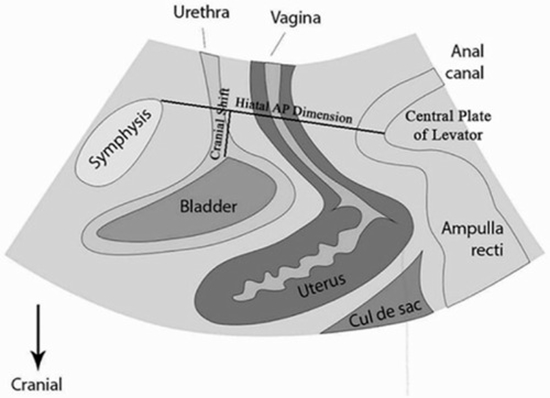
Association between 2D trans-perineal ultrasound and physical examination in evaluation of ani function {faces}

Purpose: To compare the correlation between 2D transperineal ultrasonography and physical examination (intravaginal palpation) for assessing pelvic floor and levator ani function.

Methods: Due to symptoms of pelvic floor disorder, 40 women between the ages of 29 and 75 were enrolled in this study as candidates for urodynamic and structural evaluation of the pelvic floor. A pelvic floor gynaecologist and radiologist assessed the levator ani function via physical examination (graded based on the Oxford Grading System) and transperineal 2D ultrasound, respectively.

Results: The ultrasound parameters for calculating the Levator Ani Index (LAI) demonstrate a difference between the anteroposterior dimension of the levator hiatus (r = 0.691, p < 0.001) and the cranial shift of muscle (r = 0.499, p < 0.001) at rest and during a squeezing manoeuvre in the mid-sagittal plane. Reduced anteroposterior diameter of the hiatus and increased cranial shift were associated with a higher Oxford Physical Examination Score (OPES). The association between LAI and OPES was independent of baseline variables such as age, BMI, number of births, and the presence of incontinence symptoms.

Conclusion: Measures such as the LAI can be used to quantify the function of the levator ani muscle, which may be useful for evaluating the efficacy of pelvic floor physiotherapy and exercise.


  • Article_DOI : 10.1007/s40477-023-00776-6
  • نویسندگان : arvin arian,mehran arab-ahmadi,seyedeh nooshin miratashi yazdi, zinat ghanbari,seyedehsahel rasoulighasemlouei
  • گروه خبر : پژوهش,research article,covid19
  • کد خبر : 290718
مدیر سیستم
تهیه کننده:

مدیر سیستم

0 نظر برای این مطلب وجود دارد

ارسال نظر

نظر خود را وارد نمایید:

متن درون تصویر را در جعبه متن زیر وارد نمائید *
متن مورد نظر خود را جستجو کنید
تنظیمات پس زمینه